
Understanding the Challenges of Wind Turbine Blade Transportation
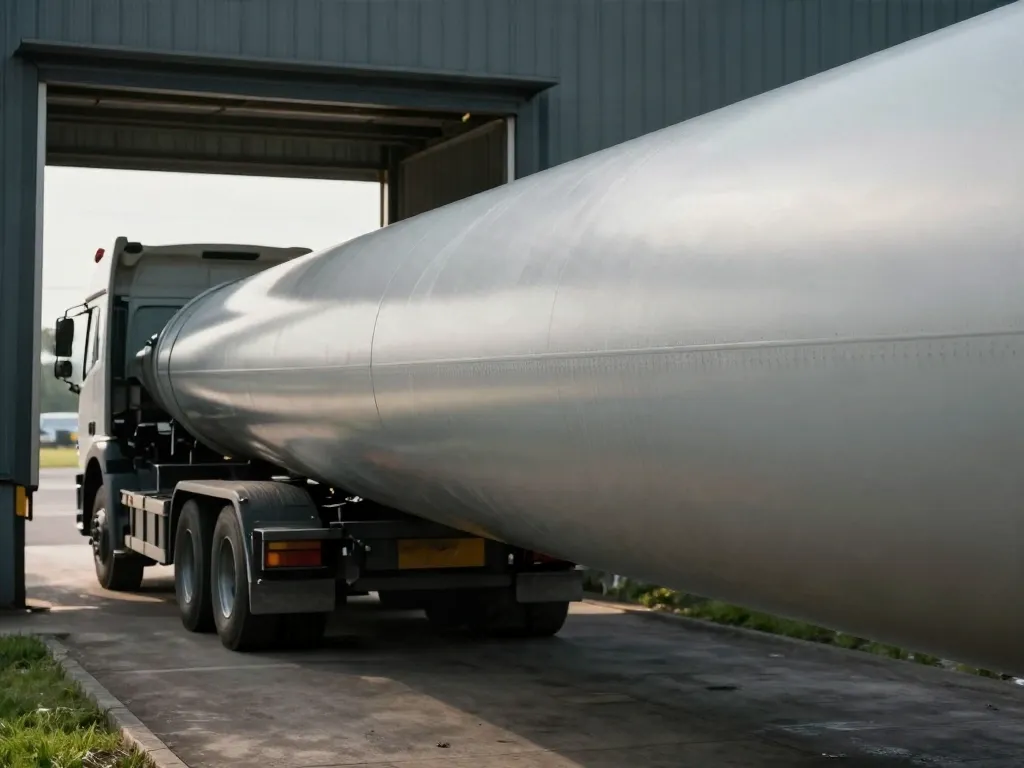
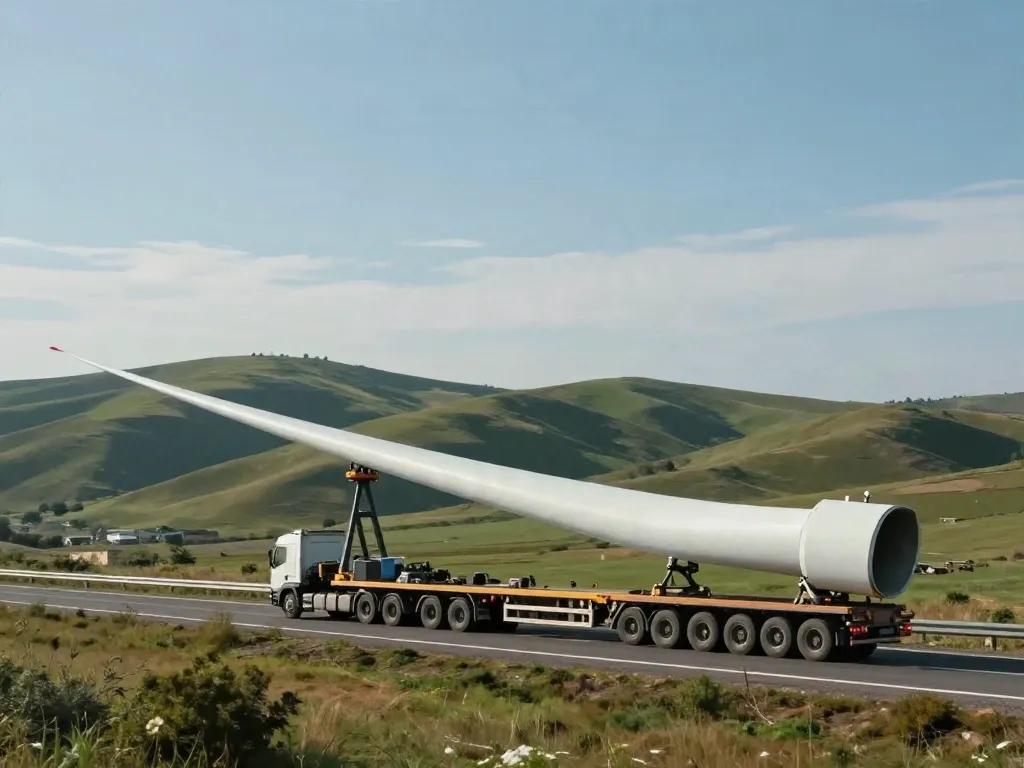
Transporting wind turbine blades is one of the most complex and critical aspects of the wind energy supply chain. The unique characteristics of these blades present several logistical challenges that must be overcome to ensure efficient and safe delivery to wind farm sites.
Physical Dimensions and Weight Considerations
Wind turbine blades can reach staggering lengths, often exceeding 60 meters (approximately 197 feet) for modern turbines. The sheer size and weight—often weighing between 15 to 25 tons—require specialized transportation solutions. For instance, blades manufactured by Siemens Gamesa can be as long as 82 meters (269 feet) for offshore applications. This scale necessitates the use of custom-designed transport vehicles capable of handling significant weight while maintaining safety and stability during transit. Moreover, the construction materials, typically a composite of fiberglass and resin, can be sensitive to environmental conditions, necessitating additional precautions during transport. This calls for robust packaging and securing methods to prevent damage—a significant logistical consideration that can affect overall transportation costs and timelines.
Route Selection and Geographical Constraints
The transportation of these oversized components is complicated by geographical constraints. Many wind farms are located in remote or challenging terrains, often requiring navigation through urban areas that were not designed to accommodate such large loads. For example, transporting a blade from a manufacturing facility in the Midwest United States to a wind farm in Texas may involve traversing narrow roads, low bridges, and tight turns, all of which can hinder progress and necessitate route adjustments. Additionally, topographical challenges like mountains, rivers, and forests can complicate logistics, requiring the use of specialized transport methods such as flatbed trucks with extendable trailers or even barge transport in some cases. This careful route planning is critical in minimizing delays and ensuring timely delivery.
Legal and Regulatory Requirements
Navigating the legal landscape is another significant challenge in wind turbine blade transportation. Various jurisdictions have different regulations concerning the transport of oversized loads, often requiring permits that can take time to secure. For example, in the United States, each state has its own Department of Transportation (DOT) regulations regarding oversized loads, which can include restrictions on travel times, designated routes, and safety measures. Moreover, compliance with international shipping regulations is crucial when blades are transported across borders. The European Union has stringent regulations concerning the transport of large goods, which can add layers of complexity for companies operating in multiple countries. Failure to comply can result in fines and delays, making it imperative for logistics managers to stay informed about current regulations.
Innovative Solutions in Blade Transportation Planning
With the challenges of transporting wind turbine blades, the industry has adopted innovative solutions to streamline the logistics process and enhance efficiency.
Advanced Route Optimization Techniques
Modern logistics relies heavily on route optimization techniques to ensure that transportation is as efficient as possible. Companies like Transplace utilize advanced software algorithms to analyze traffic patterns, road conditions, and weather forecasts to determine the most efficient routes for delivery. Utilizing these technologies can lead to reduced travel time and lower costs, which is crucial given the substantial investment in wind energy projects. For example, GE Renewable Energy employs route planning software that takes into consideration the height of power lines, bridge clearances, and road widths, ensuring that blades can be transported without unnecessary delays. This proactive approach minimizes the risk of route-related incidents and enhances overall logistics efficiency.
Collaboration with Local Authorities
Building strong relationships with local authorities is essential for successful blade transportation. Engaging with city planners, law enforcement, and transportation departments early in the planning process can facilitate smoother permitting processes and better route planning. For instance, companies like Vestas often hold pre-transportation meetings with local officials to discuss potential challenges and coordinate efforts to manage road closures or traffic diversions effectively. Such collaboration can lead to better community relations and minimize disruptions, ultimately contributing to the successful execution of logistics plans.
Use of Technology for Real-Time Monitoring
Technological advancements have enabled real-time monitoring of blade transportation, enhancing transparency and accountability throughout the process. Companies like Kuehne + Nagel leverage GPS tracking systems to provide clients with live updates on the location and status of their shipments. This allows logistics managers to respond quickly to any issues that may arise during transit, such as unexpected delays or route changes. Additionally, using IoT (Internet of Things) devices can provide valuable data on environmental conditions, ensuring that blades are transported under optimal conditions to prevent damage. This real-time data not only improves operational efficiency but also enhances customer satisfaction through improved communication.
Logistical Strategies for Cost-Effective Transportation
Cost-effectiveness is paramount in the transportation of wind turbine blades, given the considerable investment involved in wind energy projects. Companies are continuously seeking strategies to optimize their logistics to achieve better financial outcomes.
Utilizing Specialized Transport Vehicles
The use of specialized transport vehicles is one of the most effective strategies for ensuring cost-effective blade transportation. These vehicles, such as extendable flatbed trailers and multi-axle trucks, are specifically designed to accommodate the dimensions and weight of wind turbine blades. For instance, the use of modular transport vehicles allows for a flexible approach where the trailer can be adjusted to fit the length of the blade, thereby minimizing the potential for damage and reducing the overall transport cost. Companies like Mammoet specialize in heavy lift transport and offer tailored solutions that leverage their fleet of specialized vehicles to ensure efficient delivery.
Cost-Benefit Analysis of Transportation Methods
Conducting a thorough cost-benefit analysis is essential for determining the most efficient transportation methods. This analysis should consider factors such as fuel costs, vehicle maintenance, labor, and potential delays. For example, while rail transport may provide a lower cost per mile for long stretches, the last mile delivery often requires costly road transport due to the inability of trains to access remote wind farm locations. Moreover, utilizing a mix of transportation methods can yield significant savings. A hybrid approach where blades are transported by rail to a nearby hub and then delivered by specialized trucks can maximize efficiency while controlling costs.
Inventory Management and Scheduling
Effective inventory management and scheduling are crucial for minimizing transportation costs. Companies must accurately predict demand to avoid overproduction and excess inventory, which can drive up logistics costs. Implementing Just-In-Time (JIT) inventory practices can help align production schedules with transportation capabilities, ensuring that blades are delivered as needed without incurring additional storage costs. Additionally, scheduling transportation during off-peak hours can lead to further cost savings by avoiding traffic congestion and reducing travel times, thereby optimizing the entire logistics chain.
Case Studies of Successful Blade Transport Operations
Learning from real-world case studies can provide valuable insights into the effective transportation of wind turbine blades.
Lessons from Major Wind Farm Projects
One notable example is the Hornsea One project in the UK, which involved the transportation of some of the largest wind turbine blades in the world. The project utilized a combination of sea and road transport, employing specialized vessels to transport the blades from the manufacturing site in Denmark to the UK. The logistical planning involved careful route assessments and collaboration with local authorities to ensure smooth delivery to the offshore wind farm. The success of this project highlighted the importance of integrated logistics solutions and demonstrated how leveraging multiple transportation modes can enhance efficiency and reduce costs.
Comparative Analysis of Domestic vs. International Transport
Comparing domestic and international transport of wind turbine blades reveals significant differences in logistics strategies. For instance, domestic transport within the United States often focuses on land-based solutions, utilizing specialized trucks equipped for oversized loads. In contrast, international transport frequently involves a combination of sea freight and road transport, which requires more complex coordination and compliance with international regulations. A study by the American Wind Energy Association (AWEA) indicated that international shipments may incur additional costs of up to 30% due to tariffs, customs fees, and longer transit times, necessitating careful planning and cost management strategies.
Innovations Derived from Past Challenges
Past challenges in blade transportation have led to innovative solutions that enhance future operations. For example, following issues with blade damage during transport, many companies have developed improved securing methods and packaging designs. The use of custom molds and protective coverings has become standard practice, significantly reducing damage rates and associated costs. Moreover, the adoption of modular transport concepts has evolved from lessons learned during previous oversized shipments, allowing for greater adaptability and efficiency in handling various blade sizes and weights.
Future Trends in Wind Turbine Blade Logistics
As the wind energy sector continues to evolve, several trends are shaping the future of wind turbine blade logistics.
Impact of Renewable Energy Policies
Government policies aimed at promoting renewable energy are likely to influence logistics strategies in the wind energy sector. For example, initiatives such as the U.S. federal Investment Tax Credit (ITC) and state-level renewable energy standards can accelerate the demand for wind energy projects, resulting in increased logistics activity. Consequently, companies must adapt their transportation strategies to meet the growing demand for efficient blade transport. Moreover, with global commitments to reduce carbon emissions, logistics companies may need to explore greener transportation options, such as electric or hybrid vehicles, to align with sustainability goals.
Sustainable Practices in Logistics
Sustainability is becoming increasingly important in transportation logistics. Companies are actively seeking ways to reduce their carbon footprint by optimizing routes, utilizing fuel-efficient vehicles, and exploring alternative fuels. For instance, the use of biofuels in transport vehicles is gaining traction, providing a more sustainable option for transporting large components like wind turbine blades. Additionally, implementing circular economy principles, such as reusing packaging materials and optimizing supply chain processes, can contribute to more sustainable logistics practices in the wind energy sector.
Emerging Technologies and Their Implications
Emerging technologies are poised to revolutionize blade transportation logistics. Autonomous vehicles, for example, have the potential to enhance the efficiency of transporting oversized loads by reducing labor costs and improving safety. Companies like Waymo are exploring the use of autonomous trucks, which could be adapted for the transport of wind turbine components. Furthermore, advancements in artificial intelligence and machine learning can improve route planning and inventory management, leading to more efficient logistics operations. These technologies will play a critical role in shaping the future of wind turbine blade transportation, enabling companies to respond more effectively to the complexities of the logistics landscape.
Comments
No comments yet.
Leave a comment