
Understanding Single-Origin Coffee
Definition and Characteristics
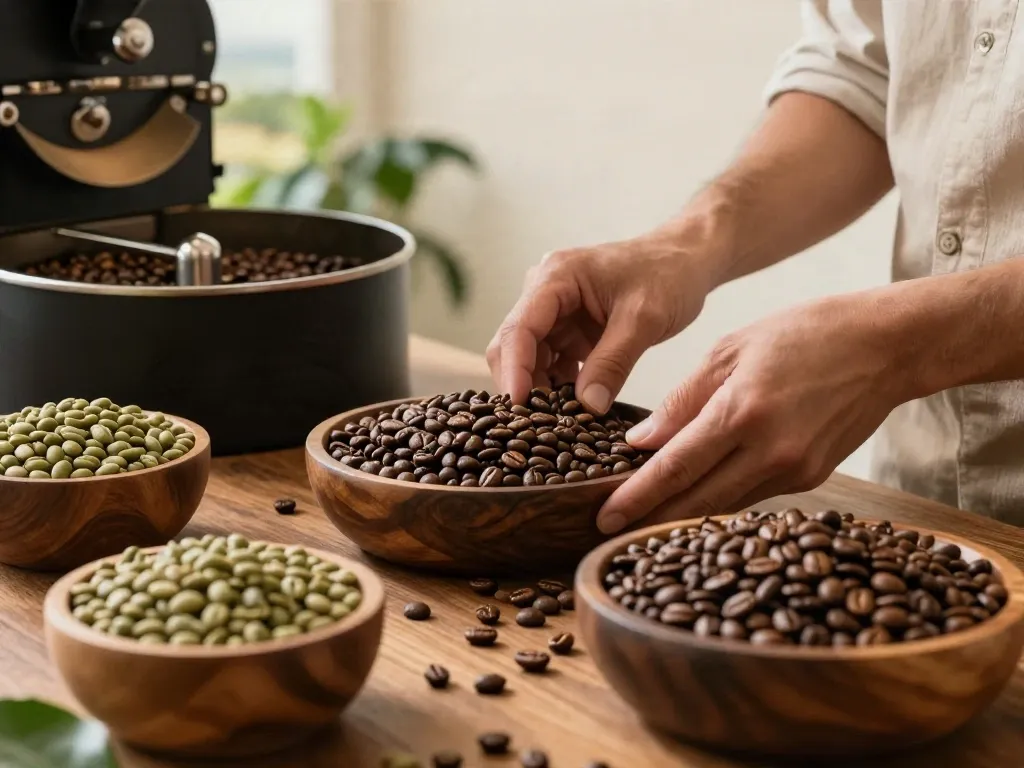
Single-origin coffee refers to coffee beans sourced from a specific region, country, or even a single farm. The distinction between single-origin and blended coffee is crucial in the specialty coffee world. While blends combine beans from various sources to achieve a desired flavor profile, single-origin coffees aim to showcase the unique characteristics of their geographical source.
Characteristics of single-origin coffees can vary widely depending on their location. For example, Ethiopian coffees are often fruity and floral, while Colombian coffees might be more balanced with a medium body. Specialty coffee roasters deeply appreciate these nuances, as they provide a tangible connection to the land and the people who cultivate the beans.
Importance of Terroir
Terroir, a term borrowed from the wine industry, refers to the environmental factors that affect a crop's phenotype, including soil composition, climate, and altitude. In coffee, terroir plays a significant role in determining flavor profiles. Specialty coffee roasters often emphasize the importance of terroir when sourcing single-origin beans.
For instance, high-altitude regions, such as those found in Guatemala, tend to produce coffee with bright acidity and complex flavors. Conversely, beans grown in lower altitudes may develop a heavier body and less acidity. Understanding the impact of terroir allows roasters to select beans that align with their desired flavor profiles and customer preferences.
Flavor Profiles of Single-Origin Beans
Flavor profiles of single-origin beans can be incredibly diverse, influenced by the region of growth, processing methods, and varietals. Here are a few examples:
- Ethiopia: Often exhibits vibrant fruit notes, such as blueberry and citrus, along with floral qualities.
- Colombia: Known for its well-rounded flavor, it typically offers caramel sweetness and a nutty finish.
- Kenya: Renowned for its bright acidity and complex flavors, including blackcurrant and citrus.
- Sumatra: Characterized by earthy, herbal notes and a full body, often with a low acidity.
These flavor profiles enable specialty coffee roasters to create unique offerings that appeal to diverse palates, enhancing their brand's reputation and customer loyalty.
Direct Trade vs. Fair Trade Practices
Benefits of Direct Trade Relationships
Direct trade is a sourcing model that emphasizes direct transactions between coffee roasters and farmers. This practice allows roasters to establish meaningful relationships with producers, ensuring fair compensation and high-quality beans. By cutting out intermediaries, specialty coffee roasters can negotiate better prices, which directly benefits the farmers.
For example, many roasters, such as Intelligentsia Coffee, have implemented direct trade practices that grant them transparency in sourcing. This transparency enables them to understand the growing conditions and agricultural practices, leading to improved quality and sustainability.
How Fair Trade Certification Impacts Sourcing
Fair Trade certification aims to create equitable trading conditions for farmers, ensuring they receive a minimum price for their coffee. While this model has benefits, it may not always provide the same level of financial return as direct trade relationships. Fair Trade-certified coffees tend to have standardized pricing, which can limit the financial incentive for farmers who produce exceptional quality beans.
For instance, while a Fair Trade coffee may guarantee a minimum price of $1.40 per pound, some specialty roasters who engage in direct trade may pay upwards of $3.00 per pound for exceptional beans. This disparity highlights the importance of understanding the implications of sourcing practices on the quality of coffee and the livelihoods of farmers.
Comparing Pricing Models in Sourcing
The pricing models of direct trade and Fair Trade differ significantly. In direct trade, prices are negotiated based on quality and demand, allowing roasters to pay premium prices for outstanding beans. Conversely, Fair Trade sets a minimum price that does not always reflect the market's fluctuations or intrinsic value of the coffee.
Additionally, specialty coffee roasters may also consider micro-lots, which are small, carefully curated batches of beans from specific farms. These micro-lots often command higher prices due to their unique flavor profiles, making them a valuable addition to a roaster's offerings.
Building Relationships with Coffee Farmers
Establishing Trust and Transparency
Building relationships with coffee farmers is a cornerstone of sourcing premium single-origin beans. Trust and transparency are essential elements of these relationships. Specialty coffee roasters often visit farms to meet with producers, understand their growing practices, and ensure ethical sourcing.
For example, roasters like Counter Culture Coffee invest time and resources in educating farmers about best practices in cultivation, processing, and sustainability. This two-way relationship not only improves coffee quality but also fosters a sense of community and mutual benefit.
Long-term Partnerships for Quality Consistency
Long-term partnerships between roasters and farmers facilitate consistent quality in sourcing. By working together over multiple harvests, roasters can help farmers refine their practices and improve the quality of their beans. This results in a reliable supply of premium single-origin coffee.
Roasters such as Blue Bottle Coffee have established long-term relationships with farmers in regions like Peru and Ethiopia, allowing them to maintain quality control and ensure that they can offer unique and high-quality beans year after year.
Impact of Farmer Training and Support Programs
Many specialty coffee roasters engage in training and support programs to enhance the skills of coffee farmers. These initiatives often focus on improving agricultural practices, pest management, and sustainable farming techniques. Investment in such programs not only boosts the quality of the coffee but also empowers farmers by providing them with valuable knowledge and resources.
For example, Stumptown Coffee Roasters has partnered with organizations that offer training in organic farming practices. This commitment to education and sustainability contributes to better quality beans and supports the livelihoods of coffee-producing communities.
Utilizing Coffee Competitions and Auctions
Understanding Cup of Excellence and Similar Events
Coffee competitions, such as the Cup of Excellence, play a vital role in sourcing premium single-origin beans. These events showcase the best coffees from various regions, providing roasters with the opportunity to taste and bid on high-quality beans. The Cup of Excellence emphasizes factors like flavor, aroma, and overall quality, allowing only the finest coffees to be recognized.
Participation in such competitions can elevate a roaster's brand, as winning or sourcing award-winning beans is a powerful marketing tool. For example, coffees from the Cup of Excellence have been known to sell for record prices, sometimes reaching upwards of $100 per pound at auction.
Strategies for Bidding and Acquisition
When participating in coffee auctions, specialty roasters must employ strategic bidding techniques. Understanding the market demand, setting a budget, and knowing the quality of the beans being auctioned are crucial for making informed decisions. Roasters often collaborate with importers who have experience in auction strategies to maximize their chances of acquiring sought-after beans.
For instance, during the 2021 Cup of Excellence auction, coffees from El Salvador attracted significant attention, with some roasters forming alliances to pool resources and bid collaboratively for exceptional lots.
How Competitions Influence Quality and Pricing
Coffee competitions significantly impact the quality and pricing of single-origin beans. As producers strive to win awards, they invest in better farming and processing practices. This results in a higher overall quality of coffee available in the market. Consequently, award-winning coffees often command premium prices, reflecting their rarity and excellence.
Roasters who actively participate in these competitions and auctions benefit from access to some of the best coffees available, allowing them to curate unique offerings for their customers. This focus on quality helps establish their brand identity in the competitive specialty coffee market.
Quality Control and Cupping Processes
Methods for Evaluating Bean Quality
Quality control is a critical aspect of sourcing premium single-origin beans. Specialty coffee roasters implement various methods for evaluating bean quality, including visual inspection, moisture content analysis, and defect identification. These processes help ensure that only the best beans make it into their roasts.
One common method used is the green coffee grading system, which categorizes beans based on size, weight, and defects. Specialty roasters typically prefer beans that score above 80 points on the Specialty Coffee Association's grading scale, ensuring they provide high-quality offerings to their customers.
The Role of Cupping in Sourcing Decisions
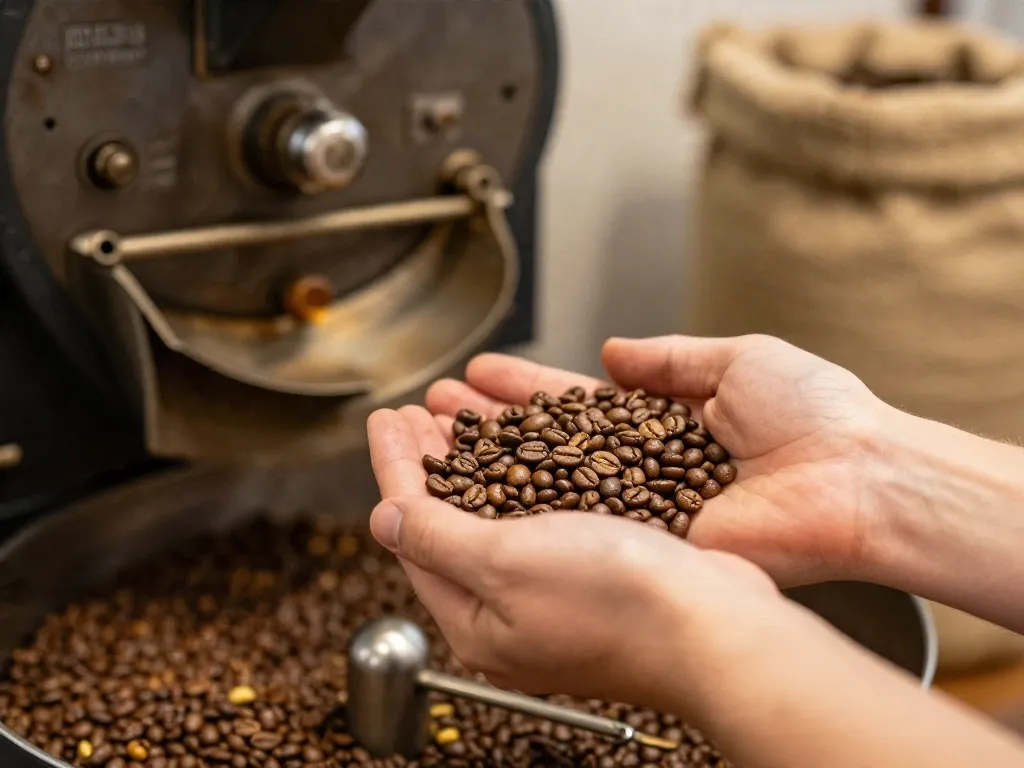
Cupping is an essential practice that allows roasters to evaluate the flavors and aromas of coffee beans. During this process, roasters brew coffee using a standardized method to assess its characteristics. They then score the coffee based on attributes such as acidity, body, flavor, and aftertaste.
This evaluation is crucial in sourcing decisions, as it helps roasters identify unique flavor profiles and determine the best beans for their offerings. For example, a roaster may cup a selection of beans from a specific region and choose the ones that stand out in terms of flavor complexity and balance.
Feedback Loops Between Roasters and Farmers
Establishing feedback loops between roasters and farmers is vital for maintaining quality in sourcing. Specialty coffee roasters often provide feedback to farmers about the flavor profiles of their beans, which can inform future cultivation and processing practices.
For instance, if a roaster finds that a specific lot of coffee has a unique flavor note, they may share this feedback with the farmer, encouraging them to replicate those conditions in future harvests. This collaboration leads to continuous improvement in quality and fosters a deeper connection between roasters and producers.

Comments
No comments yet.
Leave a comment