

Understanding the Importance of an Emergency Fund
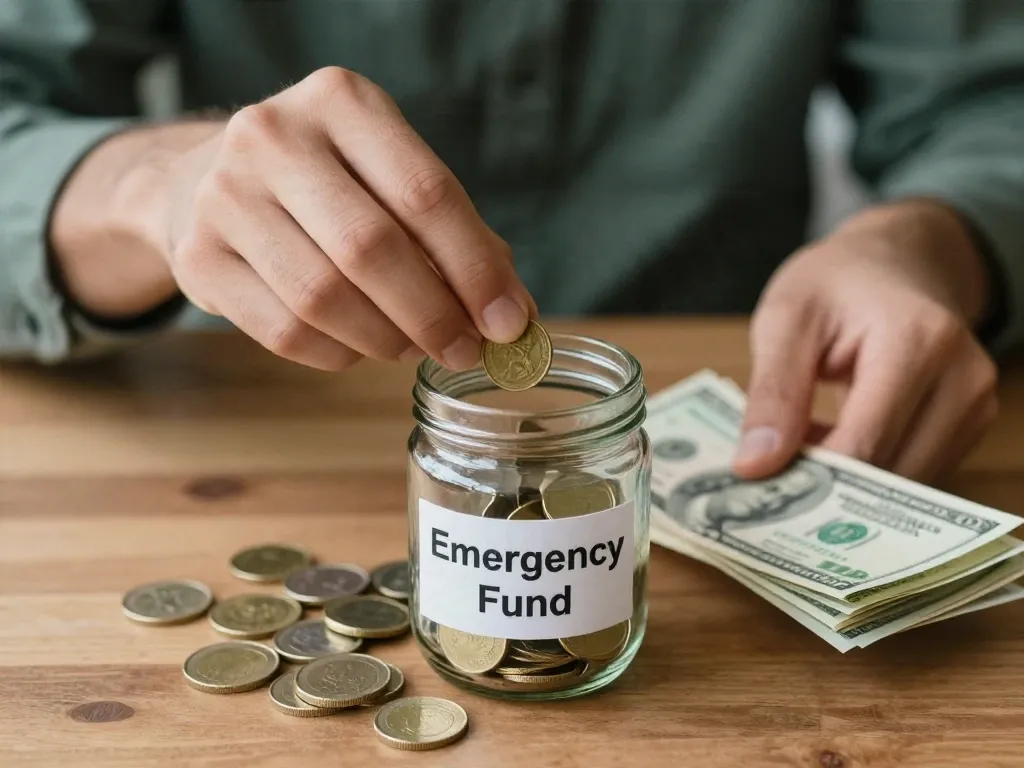
What is an Emergency Fund?
An emergency fund is a designated amount of money set aside to cover unexpected expenses that may arise, such as medical emergencies, car repairs, or unexpected job loss. It acts as a financial safety net, providing peace of mind and financial stability during unforeseen circumstances. Ideally, this fund should be easily accessible and kept separate from your regular checking or savings accounts to avoid the temptation of dipping into it for non-emergencies.
Why Everyone Needs an Emergency Fund
Having an emergency fund is crucial for financial security. It can prevent you from falling into debt when unexpected costs arise. For example, consider a scenario where your car breaks down, and the repair costs amount to $1,500. Without an emergency fund, you might resort to a high-interest credit card, resulting in long-term debt. On the other hand, if you have a well-established emergency fund, you can pay for the repairs without financial strain.
Moreover, emergency funds can reduce stress and anxiety. Knowing that you have a financial cushion allows you to focus on your job and other responsibilities without the constant worry about potential financial crises.
Common Misconceptions About Emergency Funds
- Emergency Funds are Only for the Wealthy: This is a common myth. Everyone, regardless of income level, can benefit from having an emergency fund.
- One Size Fits All: Some believe that a specific amount suffices for everyone. In reality, the amount needed varies based on individual circumstances such as income, expenses, and lifestyle.
- Emergency Funds Are Only for Major Expenses: While they do help with significant costs, they can also cover smaller emergencies, such as a sudden medical bill or a home repair.
Assessing Your Financial Situation
Calculating Your Monthly Expenses
The first step in building an emergency fund is to understand your financial situation. Start by calculating your monthly expenses. List out all your fixed and variable costs, including:
- Rent or mortgage payments
- Utilities (electricity, water, gas, internet)
- Groceries
- Transportation (fuel, public transit costs)
- Insurance (health, auto, home)
- Debt payments (credit cards, loans)
- Miscellaneous expenses (entertainment, dining out)
For example, if your monthly expenses total $3,000, this figure will guide you in determining how much you need to save for your emergency fund.
Identifying Income Sources
Next, identify your sources of income. This includes your salary, any side jobs, dividends from investments, or rental income. Understanding your total monthly income will help you see how much you can allocate toward your emergency fund. If your monthly income is $4,000, you can see that you have $1,000 remaining after covering your expenses, which can be directed toward savings.
Evaluating Current Savings and Debts
Take stock of your current savings and any debts. If you have savings, determine how much of that can be reserved for emergencies. However, be cautious not to confuse savings with long-term investments or retirement funds. Also, evaluate your debts; if you have high-interest debts, it might be wise to prioritize paying those off before fully committing to an emergency fund.
For instance, if you have $5,000 in savings but $10,000 in credit card debt at 20% interest, it might be more beneficial to reduce the debt first while simultaneously saving a smaller amount for emergencies.
Setting Realistic Savings Goals
Determining Your Target Emergency Fund Amount
To set a realistic savings goal for your emergency fund, consider the general guideline of saving three to six months' worth of living expenses. If your monthly expenses total $3,000, aim for an emergency fund of $9,000 to $18,000. This amount should provide adequate coverage for most unexpected situations.
However, individual circumstances may vary. For example, if you have a stable job in a secure industry, three months may suffice. Conversely, if you are self-employed or work in a volatile field, you may want to aim for six months or more.
Establishing a Timeline for Savings
After determining your target amount, establish a timeline for achieving your savings goal. Consider how much you can realistically set aside each month. If you decide to save $500 per month toward an emergency fund of $12,000, you can achieve your goal in 24 months. Make sure your timeline is achievable; it's better to set a longer timeline than to set yourself up for failure.
Creating Milestones to Track Progress
To stay motivated, create milestones along the way. Break down your goal into smaller, manageable parts. For example, if your goal is $12,000, set milestones at every $2,000. Celebrate each milestone to maintain motivation. For instance, when you reach $2,000, reward yourself with a small treat, like a nice dinner out, to acknowledge your progress.
Choosing the Right Savings Strategies
High-Interest Savings Accounts
One of the best ways to save for an emergency fund is to open a high-interest savings account. These accounts offer better interest rates than traditional savings accounts, allowing your money to grow. Look for accounts that offer no monthly fees and easy access to your funds. For instance, accounts from online banks often provide higher interest rates, such as 1.5% to 2.0%, compared to brick-and-mortar banks, which may offer significantly lower rates.
Automating Your Savings Contributions
To ensure you consistently contribute to your emergency fund, consider automating your savings. Set up an automatic transfer from your checking account to your emergency fund savings account each month. This way, you are less likely to forget to save or be tempted to spend that money. For example, if you set up an automatic transfer of $500 monthly, you’ll effortlessly build your emergency fund without having to think about it.
Finding Additional Income Streams
To accelerate your emergency fund savings, explore additional income streams. This could involve taking on freelance work, part-time jobs, or monetizing hobbies. For instance, if you enjoy writing, consider offering freelance writing services. If you’re handy, you might offer to do odd jobs or repairs in your community. Any additional income can be directly allocated to your emergency fund, significantly speeding up your progress.
Maintaining and Growing Your Emergency Fund
Regularly Reviewing Your Financial Goals
Once you have established your emergency fund, it’s essential to review your financial goals regularly. Life circumstances change, and so should your financial planning. Set a schedule to review your goals every six months to ensure your emergency fund aligns with your current lifestyle and expenses. For example, if you get a raise or change jobs, you may need to adjust your emergency fund target.
Adjusting Contributions as Your Income Changes
As your income fluctuates, be prepared to adjust your contributions to your emergency fund. If you receive a bonus or a raise, consider increasing your monthly contributions. Conversely, if you experience a temporary setback, such as reduced hours at work, you might need to decrease your savings temporarily. The key is to remain flexible while ensuring your emergency fund continues to grow.
Replenishing Your Fund After Use
In case you need to tap into your emergency fund, it’s crucial to replenish it as soon as possible. For instance, if you use $1,000 for an unexpected car repair, make it a priority to rebuild that fund back to your target amount. You may need to temporarily increase your monthly contributions or redirect funds from other budget categories until your emergency fund is back to its original level.



Comments
No comments yet.
Leave a comment