
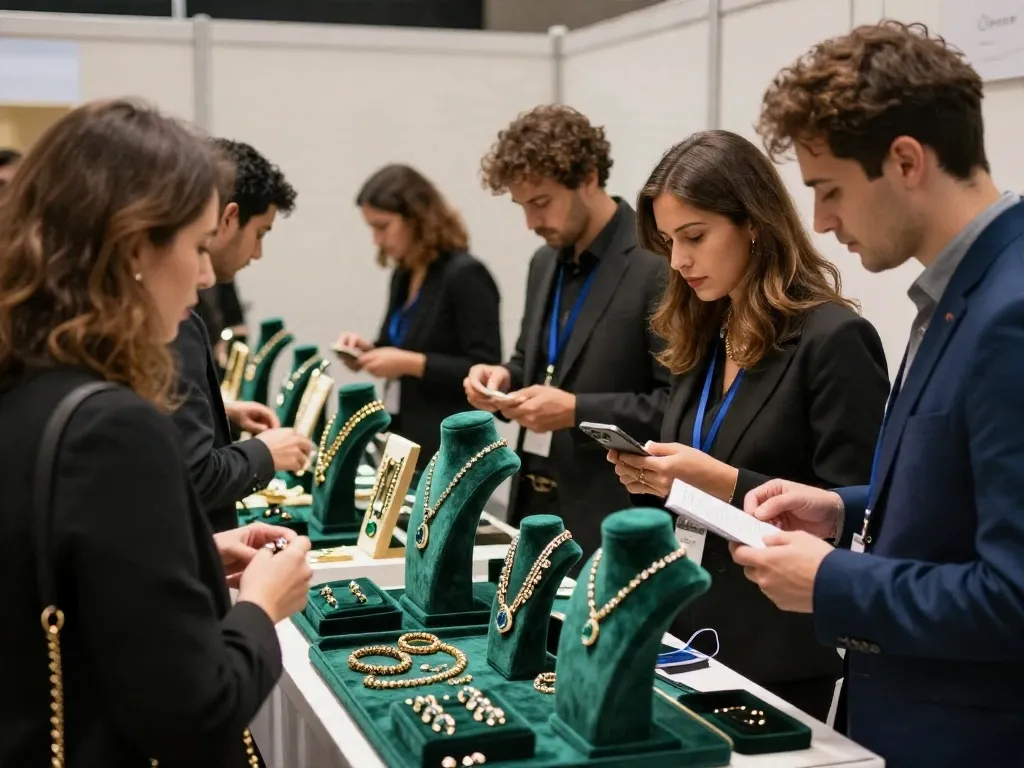
Understanding Trade Shows for Wholesale Jewelry
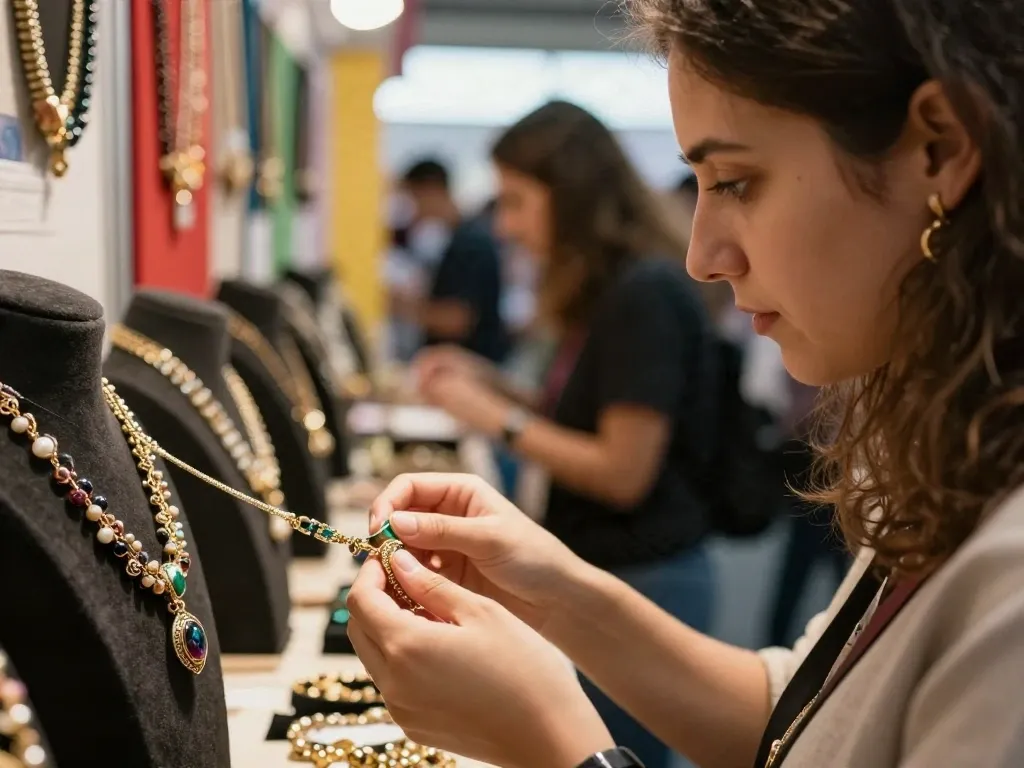
Types of Trade Shows to Consider
When it comes to sourcing wholesale jewelry, trade shows are one of the most effective ways to connect with vendors, explore new products, and stay updated on industry trends. There are several types of trade shows you might consider:
- General Industry Trade Shows: These events cater to a wide range of businesses within the jewelry industry, offering an array of products from various suppliers. Examples include the JCK Las Vegas Show and the JA New York Show.
- Specialized Trade Shows: Focused on specific niches within the jewelry market, these shows allow you to target products that align closely with your brand. For instance, the New York Antique Jewelry & Watch Show focuses exclusively on vintage items.
- Regional Trade Shows: These events are smaller in scale but can be valuable for local sourcing. Shows such as the Atlanta Jewelry Show cater to regional markets and often feature local artisans.
Benefits of Attending Trade Shows
Attending trade shows offers numerous advantages for sourcing wholesale jewelry:
- Direct Access to Suppliers: Trade shows bring multiple suppliers under one roof, allowing you to compare products, prices, and services efficiently.
- Networking Opportunities: Building relationships with vendors and other retailers can lead to better deals and collaborative opportunities in the future.
- Hands-On Experience: You can see, touch, and try on jewelry pieces, ensuring you select high-quality products that resonate with your target market.
- Exclusive Deals: Many suppliers offer trade show discounts, limited-time offers, or exclusive access to new collections, providing an opportunity to source products at a lower cost.
Choosing the Right Trade Shows for Your Niche
Selecting the right trade show is crucial for your wholesale jewelry sourcing strategy. Start by analyzing your target market and the type of jewelry you wish to sell. Here are some tips to help you choose:
- Identify Your Audience: Understand who your customers are and what type of jewelry they prefer. If you target millennials, shows focusing on trendy, affordable pieces may be more beneficial.
- Research Previous Exhibitors: Look at past exhibitors to determine if they align with your product vision. If you’re interested in ethical jewelry, for instance, shows that feature sustainable brands would be ideal.
- Check Reviews and Feedback: Search for testimonials from past attendees to gauge the quality of the event and its relevance to your niche.
Preparing for Your Trade Show Experience
Researching Exhibitors Before the Event
Preparation is key to a successful trade show experience. Start by researching the exhibitors you want to meet:
- Visit the Event Website: Most trade shows provide a list of exhibitors on their official websites. Review the list and identify those that align with your business needs.
- Set Goals: Define what you want to achieve at the show—whether it’s finding new suppliers, learning about market trends, or networking with other retailers.
- Prepare Questions: Develop a list of questions to ask each vendor, focusing on pricing, minimum order quantities, shipping terms, and product details.
Setting a Budget for Purchases
Establishing a budget is essential to avoid overspending. Consider the following factors when setting your budget:
- Product Costs: Determine how much you can afford to spend on inventory while ensuring it aligns with your sales projections.
- Travel and Accommodation: Factor in travel expenses, lodging, and meals during the event. These costs can add up quickly.
- Additional Expenses: Consider other expenses like booth rentals, promotional materials, or networking events that may be beneficial.
Creating an Efficient Itinerary
To maximize your time at the trade show, create a detailed itinerary:
- Prioritize Exhibitors: List the top vendors you want to visit first. Allocate specific time slots for each meeting.
- Include Breaks: Schedule breaks to recharge and review information collected throughout the day.
- Explore Educational Sessions: Many trade shows offer workshops or panels. Include these in your itinerary to enhance your industry knowledge.
Networking Strategies at Trade Shows
Building Relationships with Vendors
Networking is a crucial aspect of trade shows. Here’s how to effectively build relationships with vendors:
- Engage in Meaningful Conversations: Focus on building rapport rather than just negotiating prices. Ask about their products, their business journey, and what sets them apart.
- Follow Up: After the event, send a thank-you email to vendors you connected with, reiterating your interest in their products.
- Request Samples: Don't hesitate to ask for samples of products you’re interested in. This shows your seriousness and helps you make informed purchasing decisions.
Connecting with Other Retailers
Networking with fellow retailers can provide valuable insights and collaborative opportunities:
- Share Experiences: Engage in conversations about what products are selling well in their stores. This can help you gauge market trends and adjust your inventory accordingly.
- Explore Collaborative Promotions: Consider partnering with other retailers for joint promotions or events, which could help both parties expand their reach.
- Join Networking Events: Many trade shows host networking events. Attend these to meet other retailers and discuss industry challenges and solutions.
Utilizing Social Media for Networking
Leverage social media to enhance your trade show experience:
- Use Event Hashtags: Follow and engage with hashtags related to the trade show to connect with other attendees and vendors before, during, and after the event.
- Share Your Experience: Post updates, photos, and insights from the event. This can help you attract attention from vendors and create conversations around your brand.
- Connect on LinkedIn: After the event, connect with vendors and fellow retailers on LinkedIn to maintain and nurture those relationships.
Effective Negotiation Techniques
Understanding Pricing Structures
Negotiating effectively requires a solid understanding of pricing structures:
- Know the Market Rates: Research common pricing for the types of jewelry you are interested in. This knowledge will empower you during negotiations.
- Ask About Cost Breakdowns: Request details on how pricing is structured. Understanding the cost of materials, labor, and shipping can provide leverage during negotiations.
- Inquire About Discounts: Many suppliers offer discounts for bulk purchases. Knowing this can help you negotiate better terms.
Leveraging Volume Discounts
Buying in bulk can lead to significant savings. Consider these strategies:
- Calculate Minimum Order Quantities: Understand the minimum order quantities for products you’re interested in and how that impacts pricing.
- Combine Orders: If possible, combine orders with fellow retailers to reach volume discounts more easily.
- Be Prepared to Commit: Suppliers may offer better prices for larger commitments. If you see potential, be ready to make a larger purchase to secure lower rates.
Establishing Long-Term Partnerships
While immediate savings are important, building long-term relationships can yield ongoing benefits:
- Communicate Regularly: Maintain contact with your suppliers even after the trade show. Regular communication can lead to better deals and more favorable terms.
- Provide Feedback: Share your sales data and customer feedback with suppliers. This can help them tailor their offerings to your needs and strengthen your partnership.
- Be Loyal: If you find a supplier that meets your needs, consider staying loyal to them. Long-term relationships can lead to exclusive deals and product access.
Post-Trade Show Follow-Up and Implementation
Reviewing and Organizing Your Leads
After the trade show, it’s important to review and organize the leads you gathered:
- Sort Contacts: Categorize your leads based on priority and follow-up urgency. Use a spreadsheet or CRM tool for easy management.
- Document Insights: Record any insights or notes from your conversations with each vendor to help tailor your follow-up approach.
- Set Follow-Up Dates: Schedule follow-up dates to ensure you maintain contact with valuable leads.
Evaluating Your Purchases
Before integrating new jewelry into your inventory, evaluate your purchases critically:
- Assess Quality: Review the quality of the jewelry received and ensure it meets your brand standards.
- Analyze Cost vs. Value: Compare the cost of each item against its potential selling price to determine profitability.
- Gather Feedback: If possible, seek feedback from customers or colleagues about their impressions of the new products.
Integrating New Products into Your E-commerce Strategy
Once you have evaluated your purchases, it’s time to integrate the new products into your e-commerce strategy:
- Update Your Website: Ensure that the new jewelry pieces are prominently featured on your website, complete with professional photography and detailed descriptions.
- Promote on Social Media: Use your social media platforms to showcase new arrivals. Create engaging content that highlights the unique features of your new products.
- Monitor Sales Performance: Track the performance of new items closely. Analyzing sales data will help you understand customer preferences and inform future purchasing decisions.


Comments
No comments yet.
Leave a comment