
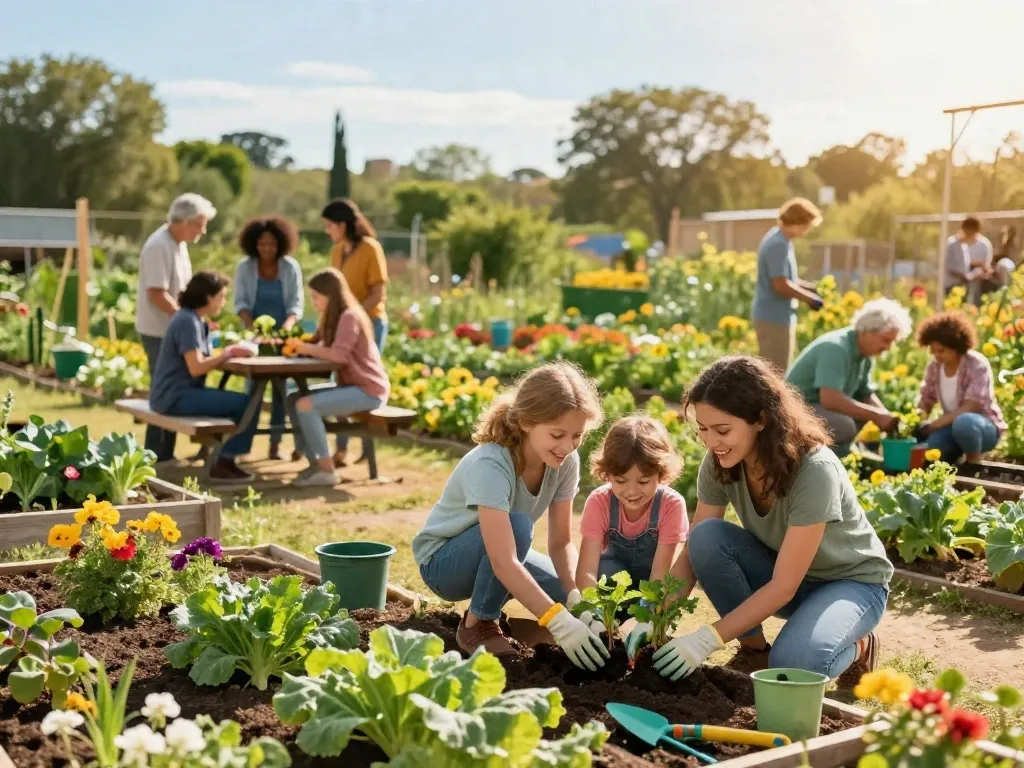
Understanding the Basics of Crowdfunding for Community Gardens
Defining Crowdfunding and Its Relevance
Crowdfunding is a method of raising money from a large number of people, typically via the Internet, to fund a specific project or venture. For community gardens, crowdfunding serves as a powerful tool to gather financial support from community members who are invested in local food production, sustainability, and community engagement. This funding model aligns perfectly with the ethos of community gardens, which often rely on collective effort and resources.
Types of Crowdfunding Platforms Suitable for Gardens
When considering crowdfunding for a community garden, it's essential to select the right platform that suits your needs. Here are a few popular types of crowdfunding platforms suitable for gardening projects:
- Reward-Based Platforms: Websites like Kickstarter and Indiegogo allow project creators to offer rewards to backers in exchange for their contributions. For example, donors might receive fresh produce, gardening workshops, or personalized thank-you notes as incentives.
- Donation-Based Platforms: Sites like GoFundMe and JustGiving allow individuals to donate without expecting any tangible rewards. This model works well for community gardens focused on social good and local impact.
- Equity-Based Platforms: Although less common for community gardens, platforms like SeedInvest enable supporters to invest in a project in exchange for a share of future profits. This could be relevant if the garden plans to sell produce commercially.
Legal Considerations for Crowdfunding in Your Area
Before launching a crowdfunding campaign, it is crucial to understand the legal landscape surrounding fundraising in your locality. Each state or country may have specific regulations regarding fundraising, particularly for non-profit organizations. Here are some key considerations:
- Registration: Some areas require organizations to register as non-profits to solicit funds legally.
- Tax Implications: Donations may be tax-deductible for contributors if the garden is a registered non-profit, which can incentivize giving.
- Compliance with Platform Rules: Each crowdfunding platform has its own rules and guidelines that must be followed to maintain transparency and legality.
Engaging the Community: Building Support and Interest
Identifying Stakeholders and Potential Gardeners
Identifying stakeholders is fundamental in building a successful community garden. Stakeholders may include local residents, schools, community organizations, and local government entities. Conduct surveys or hold informal meetings to gauge interest and collect feedback. A well-rounded group of participants not only increases funding opportunities but also ensures a diversity of ideas and resources.
Hosting Informational Workshops and Events
Engagement is key to the success of a community garden. Hosting workshops and events can create excitement and educate potential gardeners about the benefits of participating. Consider the following:
- Workshops: Host sessions on topics such as organic gardening, composting, or sustainable practices. For instance, partnering with local horticulturists can provide expert insights.
- Community Events: Organizing events like a “Garden Kickoff Day” can rally support, allowing community members to get involved right from the start.
- Open Houses: Invite the community to visit potential garden sites, enabling them to visualize the project and ask questions.
Utilizing Social Media for Community Engagement
Social media platforms such as Facebook, Instagram, and Twitter can be powerful tools for promoting your crowdfunding campaign and engaging the community. Create a dedicated page or group for your garden where you can share updates, gardening tips, and events. Here are some effective strategies:
- Regular Updates: Post weekly updates on your crowdfunding progress, garden plans, and community involvement.
- Visual Content: Use photos and videos to showcase the garden site, volunteer days, or workshops to attract interest.
- Community Stories: Share testimonials and stories from community members who are excited about the garden, providing a personal touch that can inspire others to contribute.
Creating a Compelling Campaign for Funding
Developing a Clear and Inspiring Mission Statement
A well-crafted mission statement is pivotal in articulating the purpose of your community garden. It should convey the vision, goals, and community benefits succinctly. For instance, “Our mission is to create a sustainable community garden that fosters local food production, enhances community bonds, and promotes environmental stewardship.” This statement not only inspires potential donors but also guides the garden's development and activities.
Crafting a Budget and Fund Allocation Plan
Transparency in budgeting is crucial for building donor trust. Draft a detailed budget that outlines anticipated costs such as soil, seeds, tools, infrastructure, and maintenance. For example, a small community garden may require an initial budget of $5,000, broken down as follows:
- Soil and Compost: $1,000
- Seeds and Plants: $800
- Tools and Equipment: $1,200
- Watering System: $600
- Marketing and Events: $400
- Miscellaneous: $1,000
This clarity helps potential donors understand where their contributions will go and the impact they will have.
Incorporating Rewards and Incentives for Donors
Offering rewards can significantly boost your fundraising efforts. Create tiered rewards that reflect the contribution levels. For example:
- $10 Donation: A personalized thank-you email.
- $50 Donation: A garden tote bag filled with seeds.
- $100 Donation: A monthly basket of fresh produce for three months.
- $500 Donation: A dedicated plaque in the garden recognizing the donor’s contribution.
These incentives not only encourage donations but also foster a sense of community ownership and pride in the garden.
Managing the Garden: From Planting to Harvesting
Organizing Volunteer Days and Scheduling Tasks
Successful management of a community garden relies heavily on volunteer engagement. Organize regular volunteer days where community members can come together to work on the garden. Scheduling tasks ahead of time using tools like Google Calendar or Trello helps keep everyone informed and engaged. Assign specific roles based on skill sets and interests, ensuring tasks are manageable and enjoyable for all participants.
Implementing Sustainable Practices in Garden Maintenance
Incorporating sustainable practices is not only beneficial for the environment but also sets a positive example for the community. Here are some strategies:
- Organic Gardening: Avoiding synthetic fertilizers and pesticides promotes healthier soil and plants.
- Composting: Utilize kitchen scraps and garden waste to create nutrient-rich compost, reducing waste and improving soil quality.
- Water Conservation: Implement rainwater harvesting systems or drip irrigation to minimize water use.
Monitoring Progress and Adapting Plans as Needed
Regularly assess the garden’s progress and adapt plans based on what is working and what is not. Keep a gardening journal or use digital tools like apps to track plant growth, volunteer hours, and harvest yields. This data can be invaluable for future planning and can help in reporting back to donors about the impact of their contributions.
Ensuring Longevity and Growth of the Community Garden
Establishing a Governance Structure for Decision-Making
A clear governance structure is essential for the long-term success of the garden. Form a committee made up of diverse stakeholders to oversee decision-making processes. This committee can be responsible for financial management, event planning, and conflict resolution. Establishing roles such as a garden manager, treasurer, and event coordinator ensures that tasks are effectively managed and that everyone has a voice in the garden's operation.
Planning for Future Funding and Expansion Opportunities
To ensure the garden’s longevity, it’s vital to plan for ongoing funding. Consider creating an annual fundraising strategy that includes events, grant applications, and continued crowdfunding campaigns. Explore potential partnerships with local businesses or organizations that might provide financial support or in-kind donations, such as soil, seeds, or tools.
Building Partnerships with Local Businesses and Organizations
Forming partnerships can enhance the garden's resources and outreach. Local businesses might sponsor events or provide discounts on gardening supplies. Educational institutions can collaborate on workshops or research opportunities. For example, a local school could use the garden as a practical learning space for students, while the garden benefits from their participation and support.



Comments
No comments yet.
Leave a comment