

Understanding Preexisting Conditions in Travel Medical Insurance
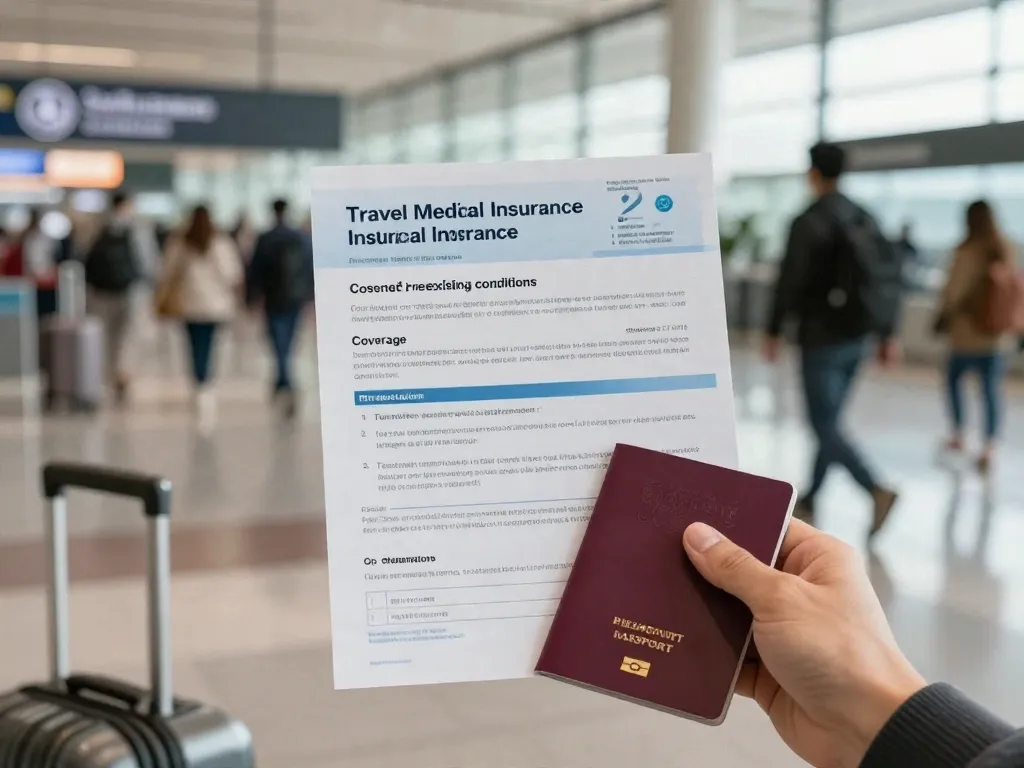
Definition of Preexisting Conditions
In the realm of travel medical insurance, a preexisting condition typically refers to any health issue that existed prior to purchasing the insurance policy. This can include chronic illnesses, injuries, or any medical condition that has been diagnosed or treated before the start date of the policy. Insurers often define the timeframe for what constitutes a preexisting condition differently, with many considering any condition treated or diagnosed within the last 12 to 24 months as preexisting.
Common Examples of Preexisting Conditions
Preexisting conditions can vary widely among travelers. Some of the most common examples include:
- Diabetes: A chronic condition requiring careful management that can lead to complications.
- Hypertension: High blood pressure that may require medication and monitoring.
- Asthma: A respiratory condition that can be exacerbated by travel-related factors.
- Heart Conditions: Any previous heart surgery or diagnosis, including arrhythmias.
- Joint Issues: Preexisting problems such as arthritis or previous injuries to knees or hips.
Impact on Travel Medical Insurance Policies
The presence of a preexisting condition can significantly affect the terms of a travel medical insurance policy. Many insurers may impose restrictions, exclusions, or higher premiums based on the perceived risk associated with the traveler’s health status. Understanding these impacts is crucial for anyone considering travel insurance, especially if they have existing health issues.
Types of Coverage for Preexisting Conditions
Comprehensive Coverage Plans
Some travel insurance providers offer comprehensive coverage plans that include specific provisions for preexisting conditions. These plans often require a medical underwriting process, where the insurer evaluates the traveler’s medical history to determine coverage eligibility. For instance, companies like Allianz Global Assistance and Travel Guard may offer plans that provide coverage for preexisting conditions if certain criteria are met, such as purchasing the policy shortly after making the initial trip deposit.
Exclusionary Coverage Plans
In contrast, exclusionary coverage plans explicitly exclude any claims related to preexisting conditions. Travelers selecting these policies should be aware that any health issues diagnosed or treated before the start date will not be covered under any circumstances. This option may be more affordable but poses significant risks for those with ongoing health issues.
Conditional Coverage Options
Conditional coverage options are another alternative, often found in policies that allow travelers to secure some level of coverage for preexisting conditions under specific conditions. For example, a policy might cover a preexisting condition if the traveler has been stable (not requiring treatment or experiencing symptoms) for a certain period, typically ranging from 60 to 180 days prior to travel. Companies like World Nomads and InsureMyTrip may provide such conditional options, accommodating travelers with manageable preexisting conditions.
How to Choose the Right Policy for Preexisting Conditions
Assessing Your Health Needs
Before purchasing travel medical insurance, it's imperative to accurately assess your health needs. Consider the following factors:
- Severity of Preexisting Conditions: Evaluate how stable your conditions are and whether they require regular treatment.
- Travel Destination: Some destinations may have limited medical facilities, making comprehensive coverage more vital.
- Duration of Travel: Longer trips may require more robust coverage due to increased health risks.
Comparing Insurance Providers
Once you have a clear understanding of your health needs, compare various insurance providers. Look for those that specialize in covering preexisting conditions and read customer reviews to discern their reliability in claims processing. Some well-known providers include:
- AXA Assistance USA
- IMG (International Medical Group)
- Travelex Insurance Services
Reading the Fine Print: Policy Limitations
When selecting a policy, it is crucial to read the fine print carefully. Look for details concerning:
- Exclusions: Understand what preexisting conditions are excluded.
- Stability Periods: Note the required stability periods for preexisting conditions.
- Claim Limits: Familiarize yourself with the maximum payouts for medical expenses related to preexisting conditions.
Filing Claims for Preexisting Condition Coverage
Documentation Required for Claims
To successfully file a claim for coverage related to preexisting conditions, you will need to provide substantial documentation. This typically includes:
- Medical Records: Documentation from your healthcare provider detailing your condition and treatment history.
- Policy Information: A copy of your insurance policy that outlines your coverage.
- Claim Form: Most insurers require a completed claim form detailing the nature of your expenses.
Common Challenges in Claim Approval
Travelers often face several challenges when seeking approval for claims related to preexisting conditions:
- Insufficient Documentation: Claims can be denied if the required medical documentation is incomplete or lacks clarity.
- Policy Misunderstanding: Misinterpretation of coverage terms can lead to denied claims.
- Late Submission: Many insurers have strict deadlines for submitting claims, typically within 30 to 90 days of receiving treatment.
Tips for a Successful Claims Process
To optimize your chances of a successful claim, consider the following tips:
- Stay Organized: Keep all relevant documents and receipts in one place.
- Communicate Clearly: When submitting your claim, provide clear explanations and thorough documentation.
- Follow Up: Don’t hesitate to follow up with the insurer to check the status of your claim.
Real-Life Scenarios: Coverage Experiences
Case Study: Successful Claims for Preexisting Conditions
Jane, a 55-year-old traveler with well-managed type 2 diabetes, purchased a comprehensive travel medical insurance plan from Travel Guard. Because she had maintained stable blood sugar levels for over six months prior to her trip, she was able to secure coverage for her condition. During her travel, Jane experienced a minor health issue related to her diabetes but was able to file a successful claim thanks to her thorough documentation and the clarity of her insurance policy.
Case Study: Denied Claims and Lessons Learned
Conversely, John, a 60-year-old with a history of heart issues, opted for an exclusionary coverage plan due to its low premium. During his trip, he experienced chest pains and sought medical attention, only to find that his claim was denied because his preexisting condition was not covered. John learned the hard way about the importance of selecting an insurance policy that adequately addresses individual health needs.
Advice from Travelers with Preexisting Conditions
Travelers with preexisting conditions often emphasize the importance of doing thorough research before purchasing insurance. Many recommend:
- Seeking Expert Advice: Consulting with a travel insurance expert can help navigate the complexities of coverage options.
- Disclosing All Conditions: Full disclosure of all health issues to the insurer is crucial to avoid complications during the claims process.
- Keeping Updated on Health Status: Travelers should regularly update their insurers on any changes to their health conditions, as this can affect coverage eligibility.



Comments
No comments yet.
Leave a comment