
The Role of Fiber in Gut Microbiome Diversity
Understanding Gut Microbiome Diversity
The gut microbiome comprises trillions of microorganisms, including bacteria, viruses, fungi, and other microbes that inhabit our digestive tracts. This ecosystem plays a crucial role in our health, influencing everything from digestion to immune function. A diverse gut microbiome is often associated with better overall health, as it can enhance nutrient absorption, support the immune system, and reduce the risk of chronic diseases.
Research indicates that the diversity of this microbiome is significantly influenced by the dietary patterns we follow. High-fiber diets, for example, promote a diverse array of beneficial bacteria capable of producing short-chain fatty acids, which are essential for gut health. In contrast, diets low in fiber may lead to a reduction in microbial diversity, which has been linked to various health issues, including obesity, diabetes, and inflammatory bowel diseases.
How Fiber Fuels Beneficial Bacteria
Fiber acts as a prebiotic, meaning it serves as food for the beneficial bacteria residing in our intestines. Unlike probiotics, which are live bacteria found in fermented foods and supplements, fiber supports the growth and maintenance of these bacteria. The fermentation of dietary fiber by gut microbes leads to the production of short-chain fatty acids (SCFAs) like butyrate, propionate, and acetate. These SCFAs are not only crucial for nourishing colon cells but also play a role in regulating inflammation and enhancing gut barrier function.
For instance, studies have shown that butyrate, a product of fiber fermentation, is vital for maintaining colon health and may even protect against colorectal cancer. Additionally, a diet rich in fiber can lead to a more favorable microbial composition, with increased populations of beneficial strains such as Bifidobacteria and Lactobacilli. This relationship underscores the importance of fiber in nurturing a healthy gut microbiome.
The Impact of Diverse Microbiomes on Health
A diverse gut microbiome is associated with numerous health benefits, including improved digestion, enhanced immune response, and reduced risk of various diseases. For example, research has shown that individuals with a more diverse gut microbiome tend to have lower levels of inflammation and a decreased risk of autoimmune diseases. Furthermore, microbiome diversity is linked to better metabolic health, potentially lowering the risk of obesity and type 2 diabetes.
Additionally, a varied gut microbiome can improve mental health outcomes, as emerging studies suggest a connection between gut health and mood regulation. The gut-brain axis, a bi-directional communication pathway between the gut and the brain, indicates that a healthy microbiome can influence neurotransmitter production, which plays a significant role in emotional well-being.
Probiotics vs. Fiber: A Comparative Analysis
Mechanisms of Action: Probiotics vs. Fiber
While both probiotics and fiber are known to support gut health, they operate via different mechanisms. Probiotics introduce live beneficial microorganisms into the gut, which can help restore balance and improve gut function. However, the effectiveness of probiotics can be inconsistent, as they depend on the strains used, the individual’s existing microbiome, and environmental factors such as diet and lifestyle.
In contrast, fiber serves as a substrate for the beneficial bacteria already present in the gut. This approach not only enhances the growth of these bacteria but also promotes a more stable and resilient gut ecosystem over time. Additionally, fiber's role in producing SCFAs provides a continuous source of nourishment for the gut lining, which is crucial for maintaining gut health.
Long-term Benefits of Fiber Over Probiotics
One of the key advantages of fiber is its long-term impact on gut health. Regularly consuming fiber-rich foods leads to sustained changes in the gut microbiome, fostering an environment where beneficial bacteria can thrive. In contrast, the benefits of probiotics often diminish once supplementation stops, as the introduced strains may not establish themselves permanently in the microbiome.
Moreover, fiber contributes to overall health beyond gut health. Its consumption is associated with reduced risks of heart disease, stroke, and certain cancers. For example, the American Heart Association recommends a daily fiber intake of 25 grams for women and 38 grams for men to help maintain cardiovascular health.
Potential Limitations of Probiotic Supplements
Despite their popularity, probiotic supplements come with potential limitations. The efficacy of probiotic products can vary widely, depending on the specific strains, dosage, and the individual’s gut environment. Not all probiotics survive the harsh conditions of the stomach, and those that do may not effectively colonize the gut.
Furthermore, some individuals may experience gastrointestinal discomfort after taking probiotics, particularly if they have underlying gut issues or sensitivities. As a result, relying solely on probiotics for gut health may not be as effective as integrating fiber into the diet, which is universally beneficial and well-tolerated.
Fiber’s Influence on Digestive Health
How Fiber Prevents Digestive Disorders
Dietary fiber plays a crucial role in preventing various digestive disorders, including constipation, diverticular disease, and irritable bowel syndrome (IBS). By adding bulk to the stool and promoting regular bowel movements, fiber can help alleviate constipation and prevent the development of hemorrhoids.
In conditions such as diverticulitis, where small pouches form in the colon, a high-fiber diet has been shown to reduce the risk of flare-ups and complications. Additionally, fiber-rich diets may help mitigate symptoms of IBS, as they can improve stool consistency and reduce bloating and gas.
The Role of Soluble vs. Insoluble Fiber
Fiber is generally classified into two categories: soluble and insoluble. Soluble fiber, found in foods like oats, beans, and fruits, dissolves in water and forms a gel-like substance in the gut. This type of fiber can help lower cholesterol levels and stabilize blood glucose levels. Insoluble fiber, on the other hand, is found in whole grains, nuts, and vegetables, and adds bulk to stool, promoting regularity and preventing constipation.
Both types of fiber are essential for optimal gut health. A balanced intake of soluble and insoluble fiber can help support various digestive functions, ensuring a well-rounded approach to maintaining a healthy gut.
Fiber's Effect on Gut Motility and Regularity
Fiber significantly influences gut motility—the movement of food through the digestive tract. A high-fiber diet has been associated with increased stool frequency and softer stool consistency, which can help prevent constipation. For example, a study published in the journal Gastroenterology found that individuals consuming at least 20-35 grams of fiber daily experienced improved bowel regularity compared to those with lower fiber intake.
Moreover, fiber can enhance the gut's peristaltic movements, promoting a more efficient digestive process. This effect helps prevent gastrointestinal disorders and contributes to overall gut health. In contrast, diets low in fiber can lead to slower gut motility, resulting in constipation and other digestive issues.
Dietary Sources of Fiber for Optimal Gut Health
Identifying High-Fiber Foods
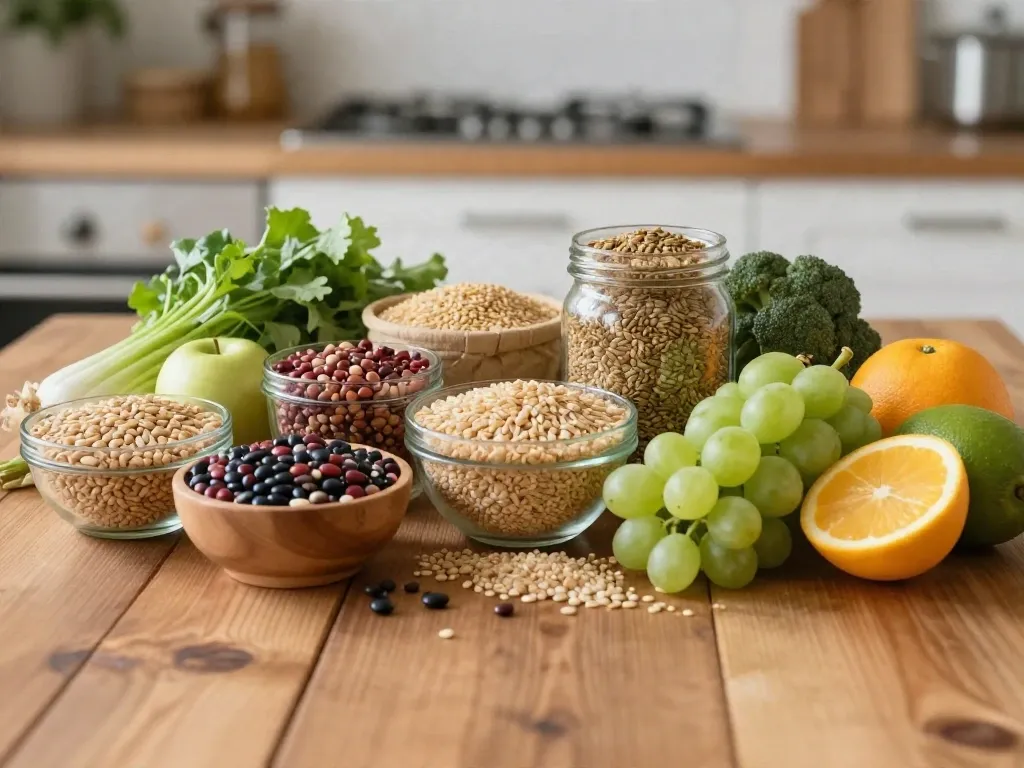
To harness the benefits of fiber for gut health, it is essential to include a variety of high-fiber foods in your diet. Some excellent sources of dietary fiber include:
- Fruits: Apples, bananas, berries, and pears.
- Vegetables: Broccoli, carrots, sweet potatoes, and leafy greens.
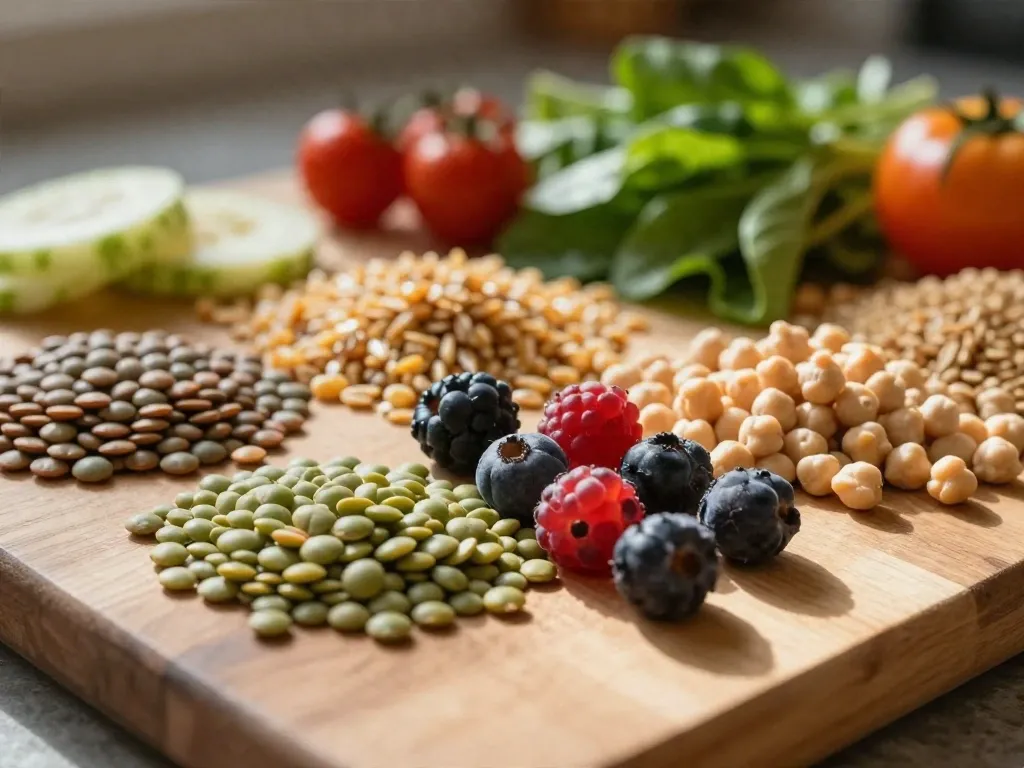
- Legumes: Lentils, chickpeas, black beans, and kidney beans.
- Whole grains: Oats, barley, quinoa, and whole wheat products.
- Nuts and seeds: Chia seeds, flaxseeds, almonds, and walnuts.
Strategies for Increasing Fiber Intake
Incorporating more fiber into your diet can be achieved through several practical strategies:
- Start gradually: Increase your fiber intake slowly to allow your digestive system to adjust and prevent discomfort.
- Choose whole foods: Opt for whole fruits, vegetables, and grains over processed options.
- Add legumes: Include beans and lentils in soups, salads, and main dishes to boost fiber content.
- Snack smart: Choose high-fiber snacks like fruits, vegetables, and nuts instead of processed snacks.
- Read labels: Pay attention to food labels to identify high-fiber options when shopping.
Balancing Fiber and Other Nutrients in the Diet
While increasing fiber intake is essential for gut health, it’s important to maintain a balanced diet that includes a variety of nutrients. This means not only focusing on fiber but also ensuring adequate intake of proteins, healthy fats, vitamins, and minerals. A well-rounded diet can enhance the benefits of fiber, supporting overall health and wellness.
For example, combining fiber-rich foods with sources of lean protein, such as chicken, fish, or plant-based proteins, can help create satisfying meals that support both gut health and overall nutrition. Additionally, including healthy fats from avocados, olive oil, and nuts can aid in the absorption of fat-soluble vitamins.
Scientific Studies Supporting Fiber’s Superiority
Research on Fiber and Gut Health Outcomes
Numerous scientific studies have highlighted the positive effects of fiber on gut health. A meta-analysis published in the journal BMJ concluded that higher fiber intake is associated with a reduced risk of colorectal cancer. This finding underscores the importance of fiber in promoting not only gut health but also long-term wellness.
Further research has shown that dietary fiber can enhance gut microbiome diversity, which correlates with numerous health benefits. A study published in Nature demonstrated that participants who increased their fiber intake experienced significant changes in their gut microbiota composition, leading to improved metabolic health markers.
Clinical Trials Comparing Fiber and Probiotics
Clinical trials have indicated that fiber may provide more sustainable benefits for gut health compared to probiotics. In one study, participants who consumed a high-fiber diet showed significant improvements in gut microbiota diversity and SCFA production compared to those who took probiotic supplements. The long-term benefits of fiber were evident, as the changes in microbiome composition persisted even after the study concluded.
In contrast, participants who relied solely on probiotics experienced temporary improvements, highlighting the need for a more integrated approach to gut health that prioritizes fiber intake.
Expert Opinions on Fiber’s Role in Gut Wellness
Experts in the field of nutrition and gut health consistently emphasize the importance of fiber. Renowned dietitian and author Dr. Michael Greger advocates for a plant-based diet rich in fiber, stating that it is fundamental for maintaining a healthy gut microbiome. Similarly, Dr. Robynne Chutkan, a gastroenterologist and author of The Microbiome Solution, emphasizes that fiber is the best way to nourish beneficial gut bacteria.
These expert opinions support the notion that fiber is not just a dietary recommendation but a critical component of gut health that should be prioritized over probiotic supplementation.



Comments
No comments yet.
Leave a comment