
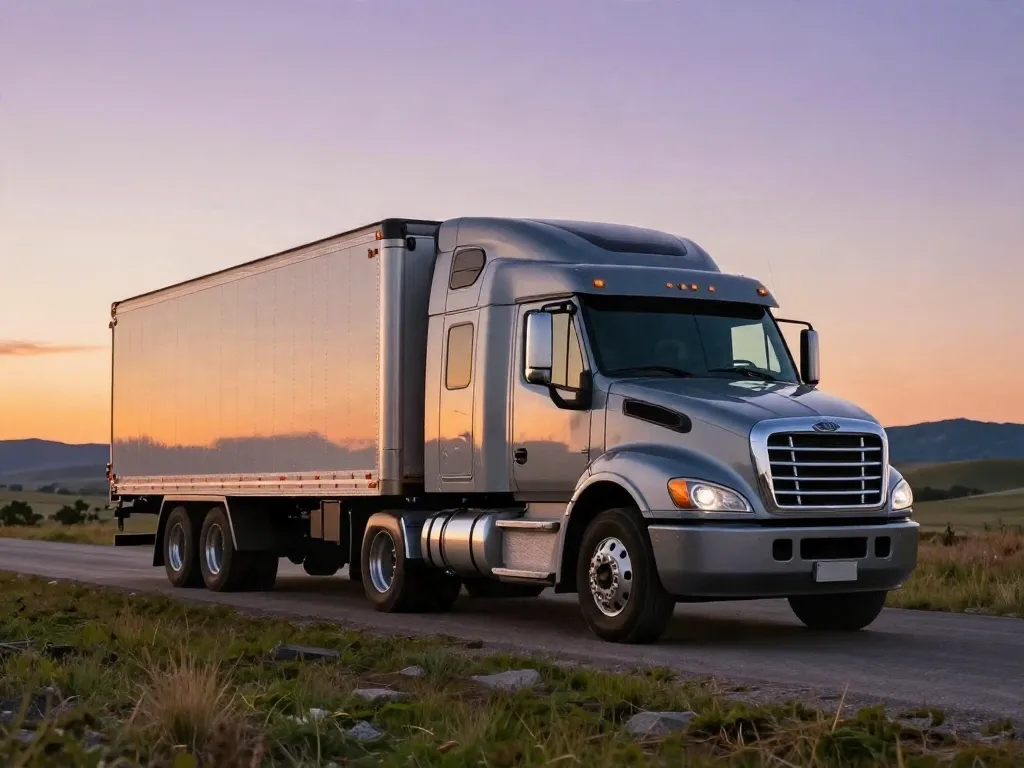
Understanding the Full-Size Truck Market
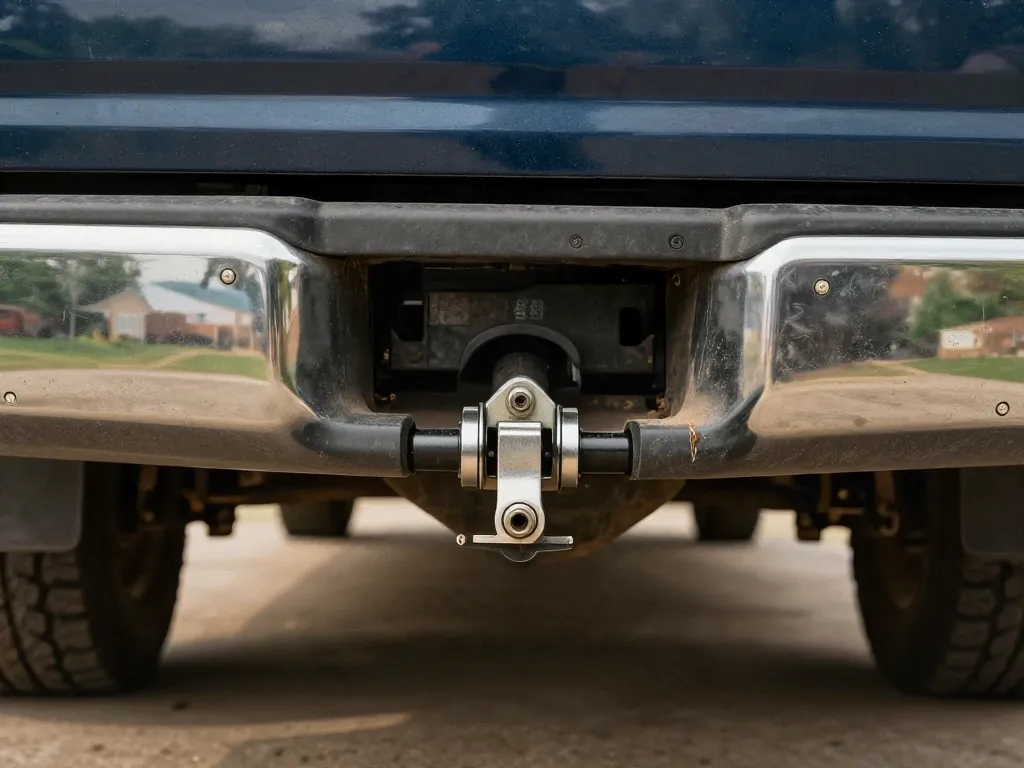
Demographics of Full-Size Truck Owners
The full-size truck market has seen remarkable growth in recent years, with buyers ranging from individual consumers to businesses. According to industry data, the median age of full-size truck owners is typically between 35 and 54 years old, with a significant proportion being male. This demographic often includes families, professionals, and outdoor enthusiasts, many of whom prioritize utility and versatility over towing capacity alone.
Interestingly, many truck owners do not engage in the traditional heavy-duty towing associated with full-size vehicles. Instead, they often utilize their trucks for daily commuting, errands, and recreational activities that do not require towing. This trend highlights a shift in how consumers perceive the utility of full-size trucks, emphasizing their multifunctionality beyond towing capabilities.
Trends in Truck Purchases
Recent trends indicate that full-size trucks have become more than just workhorses. In 2022, over 2 million full-size trucks were sold in the United States, with models like the Ford F-150, Chevrolet Silverado, and RAM 1500 leading the market. The increasing popularity of these vehicles can be attributed to their spacious interiors, advanced technology, and comfort, catering to a broader audience that includes urban dwellers and families.
Furthermore, the rise of lifestyle-oriented truck models, such as the Toyota Tundra and the Hyundai Santa Cruz, reflects a change in purchasing motivations. Consumers are looking for vehicles that can accommodate their everyday needs, such as school runs or weekend getaways, rather than solely focusing on towing specifications.
Market Positioning of Full-Size Trucks
Manufacturers have strategically positioned full-size trucks as versatile vehicles that serve various purposes. As a result, marketing campaigns emphasize aspects like luxury, comfort, and advanced technology rather than just towing capacity. This approach has successfully attracted a wider customer base, many of whom may rarely tow anything at all.
For example, brands like GMC have promoted their Sierra line as a "professional grade" truck, focusing on features like premium interiors, advanced safety systems, and infotainment options. This focus diverts attention from towing capabilities and instead addresses the needs and desires of everyday consumers who may not require heavy-duty towing.
Perceptions vs. Reality of Towing Needs
Common Misconceptions About Towing Requirements
A prevalent misconception is that owning a full-size truck automatically implies a need for towing. Many potential buyers believe that their lifestyle will necessitate towing at some point, leading to the purchase of a truck with significant towing capacity. However, data suggests that a large percentage of full-size truck owners rarely, if ever, engage in towing activities.
For instance, while the Ford F-150 boasts a towing capacity of up to 14,000 pounds, studies show that less than 10% of F-150 owners use their trucks for towing in any given year. This disconnect between perception and reality highlights the importance of evaluating actual consumer behavior rather than relying solely on marketing narratives.
How Lifestyle Choices Impact Towing Frequency
Many full-size truck owners lead lifestyles that do not require towing. For example, homeowners may use their trucks for transporting groceries, picking up furniture, or carrying sports equipment. These tasks do not necessitate the heavy-duty towing capabilities that many trucks offer. Additionally, recreational activities like camping or boating often involve renting trailers, which further reduces the need for personal towing.
Furthermore, the rise of urban living has shifted the priorities of truck owners. In densely populated areas, where parking and maneuverability can be challenging, many truck owners prefer to utilize their vehicles for everyday transportation rather than towing large loads.
Influence of Marketing on Towing Expectations
The marketing strategies employed by truck manufacturers significantly shape consumer expectations regarding towing capabilities. Advertisements often depict trucks hauling boats, trailers, and heavy equipment, reinforcing the idea that owning a truck inherently means needing to tow.
However, as consumers become more aware of their actual needs, these marketing messages may not resonate as strongly. Many truck owners find themselves using their vehicles for commuting and family activities, leading to a disconnect between the marketed capabilities and the real-world usage of their trucks.
Factors Influencing Towing Frequency
Seasonal Variations in Towing Activities
Towing frequency can vary significantly by season. For instance, many truck owners might tow during the summer months for recreational activities like camping or boating. However, this seasonal usage does not account for the majority of the year when the truck may remain parked without being used for towing purposes.
In fact, data suggests that only around 25% of truck owners engage in towing activities during peak seasons. The rest of the year, their trucks are primarily used for day-to-day tasks, illustrating that towing is not a consistent requirement for most full-size truck owners.
Regional Differences in Towing Needs
Geographic location plays a crucial role in determining towing frequency. In rural areas, where outdoor activities such as farming or recreational vehicle use are more common, truck owners may utilize their vehicles for towing more often than their urban counterparts.
Conversely, in urban environments, the need for towing diminishes significantly. Truck owners in cities may prioritize parking space, fuel efficiency, and daily usability over towing capabilities. As a result, market dynamics shift, leading to a different set of consumer expectations based on regional behavior.
Alternative Transportation Methods
The availability of alternative transportation methods has also diminished the need for towing. Many truck owners opt to rent or borrow towing equipment when necessary, rather than investing in a truck purely for towing purposes. Additionally, services like U-Haul and other rental companies provide convenient towing solutions without the need for permanent ownership.
This trend has contributed to the growing realization that owning a full-size truck may not be essential for infrequent towing needs, further solidifying the notion that most full-size truck owners tow less than one might expect.
Technological Advancements and Their Impact
Enhanced Features for Non-Towing Use
Modern full-size trucks are equipped with a plethora of features designed for everyday use, enhancing their appeal beyond towing. Technologies such as adaptive cruise control, lane-keeping assistance, and advanced infotainment systems cater to consumers who prioritize comfort and convenience over towing capabilities.
For example, the RAM 1500 offers features like a spacious cabin with user-friendly technology, making it an attractive option for families and commuters. This shift towards enhancing non-towing features reflects the changing priorities of truck buyers.
How Modern Trucks Cater to Daily Drivers
Truck manufacturers are increasingly focusing on the needs of daily drivers rather than just those of heavy-duty users. Features such as improved fuel efficiency, enhanced ride comfort, and versatile cargo space have made full-size trucks more appealing to a broader audience.
A study conducted by J.D. Power found that consumer satisfaction with full-size trucks is significantly influenced by their ability to serve as daily drivers. As a result, the perception of trucks as purely utilitarian vehicles is evolving, aligning more closely with how most owners use them.
Shift Towards Fuel Efficiency Over Towing Capacity
As environmental concerns and fuel prices continue to rise, consumers are increasingly prioritizing fuel efficiency over towing capacity. Many full-size truck owners prefer vehicles that offer better mileage for everyday commuting rather than those with maximum towing capabilities.
For example, the Ford F-150's EcoBoost engine option, which provides a balance of power and fuel efficiency, has gained popularity among buyers who value both performance and economic driving. This shift indicates a broader trend that favors practical considerations over traditional towing perceptions.
Real-world Towing Usage Statistics
Data on Towing Frequency Among Truck Owners
Real-world statistics reveal that a significant number of full-size truck owners seldom engage in towing activities. According to a survey conducted by the Automotive Research Institute, only 12% of full-size truck owners reported towing a trailer in the past year. This statistic starkly contrasts with the high towing capacities advertised by manufacturers, revealing a substantial gap between marketing and actual usage.
Moreover, the same study indicated that among those who do tow, the average frequency is just 1.5 times per year, further emphasizing that the majority of truck owners do not rely on their vehicles for towing.
Case Studies of Typical Truck Users
Examining case studies of typical truck users can shed light on how full-size trucks are utilized. For instance, a family of four may purchase a Chevrolet Silverado primarily for its spacious interior and capability to transport their children and pets. They may only tow a small trailer once a year for a family camping trip, which represents a minimal towing requirement compared to the truck's capabilities.
Another example is a contractor who uses a RAM 1500 for daily transportation and hauling materials. While the truck is equipped for towing, the contractor primarily uses it for moving tools and equipment to job sites, rarely towing anything substantial.
Comparative Analysis with Other Vehicle Types
When compared to other vehicle types, full-size trucks exhibit unique usage patterns. Sedans and hatchbacks often cater to daily commuters, whereas SUVs may serve both family and recreational needs. According to recent studies, full-size trucks rank lower in towing frequency compared to SUVs, which are increasingly popular for versatile family use.
For instance, a survey by the National Automobile Dealers Association found that 40% of SUV owners reported towing at least once a year, while only 12% of truck owners did the same. This comparative analysis underscores the evolving preferences of consumers as they opt for vehicles that align more closely with their lifestyles.

Comments
No comments yet.
Leave a comment