
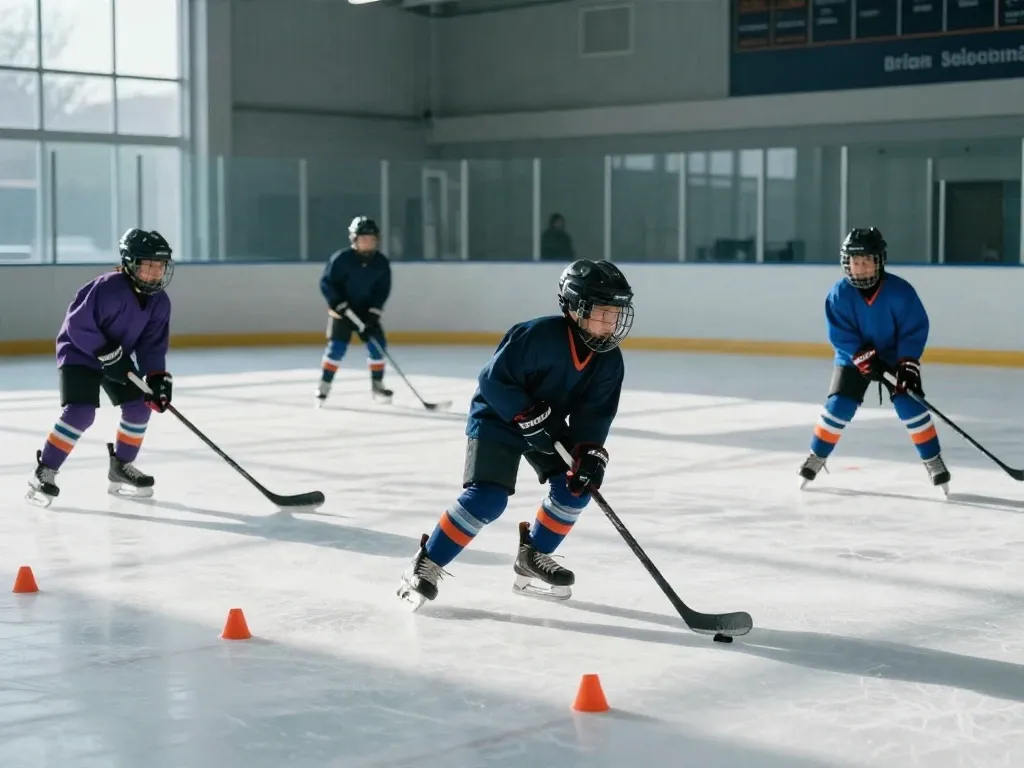
Understanding the Junior Hockey System
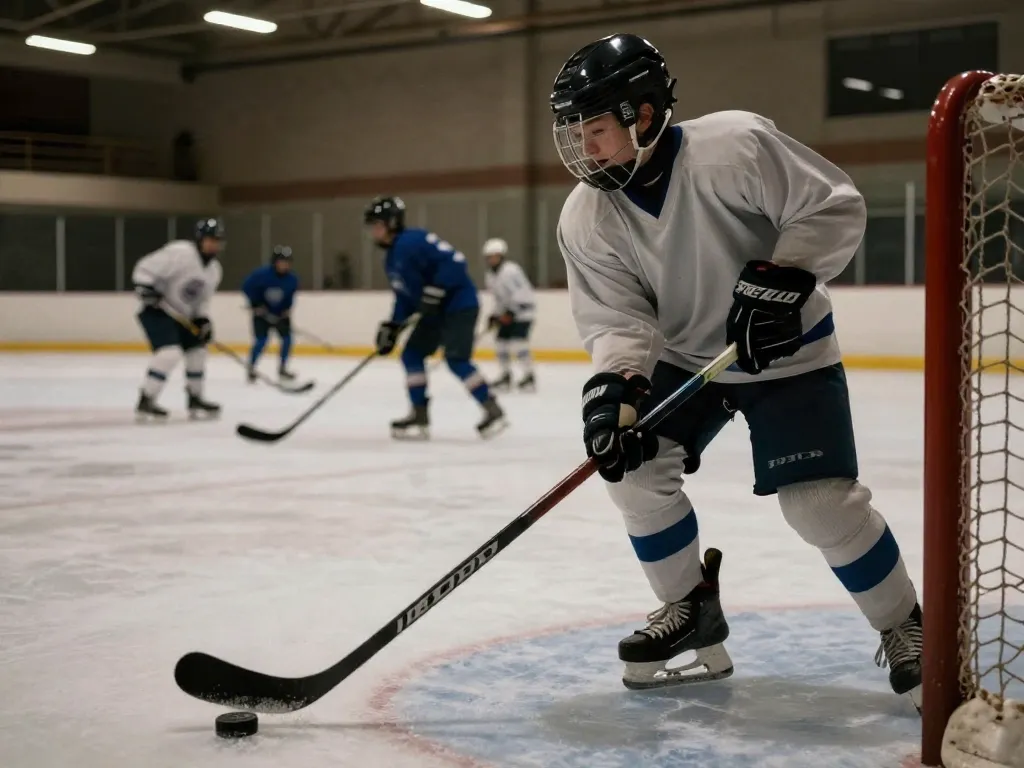
Overview of Junior Hockey Leagues
The junior hockey system in North America primarily consists of three major leagues: the Canadian Hockey League (CHL), which includes the Ontario Hockey League (OHL), Western Hockey League (WHL), and Quebec Major Junior Hockey League (QMJHL); the United States Hockey League (USHL); and various collegiate programs. These leagues are critical for the development of young players, typically ranging from ages 16 to 20, who aspire to play in the National Hockey League (NHL).
These leagues serve as a developmental bridge, allowing players to hone their skills in a competitive environment that mimics professional play. The CHL, for instance, is known for its rigorous competition and high-profile junior tournaments, such as the Memorial Cup, which can elevate a player's visibility to NHL scouts. The USHL, on the other hand, is often seen as a pathway to college hockey, with many players opting for NCAA scholarships.
Age and Eligibility Requirements
Eligibility for junior leagues generally starts at age 16, although some players begin as young as 15 in certain leagues. Each league has its own set of eligibility rules, including a maximum age limit, which is typically 20. This age range allows players to develop their skills while still being young enough to adapt to the physical and mental demands of professional hockey.
Players who are drafted into the NHL at 18 or 19 often find themselves with one or two years of junior hockey experience, further emphasizing the importance of spending time in these leagues. For example, Connor McDavid, one of the NHL’s brightest stars, spent two full seasons with the Erie Otters in the OHL before making the leap to the NHL, where he was able to refine his skills and understanding of the game.
Developmental Focus in Junior Hockey
Junior hockey leagues place a strong emphasis on player development, focusing on enhancing technical skills, game strategies, and overall hockey IQ. Coaches in these leagues are often former players or experienced professionals who understand the nuances of the game and can impart their knowledge to young athletes. Most junior teams implement structured training programs that incorporate on-ice practices, off-ice conditioning, and strategic game planning.
For example, the CHL has implemented various development initiatives aimed at improving the overall quality of player training, such as the CHL Skills Development Program. This program focuses on specific skills like shooting, passing, and skating, ensuring that players are not only game-ready but also well-rounded athletes by the time they reach the NHL.
The Importance of Skill Development
Technical Skills and Game Strategy
One of the primary reasons NHL prospects spend several years in junior hockey is the opportunity to refine their technical skills and develop a deep understanding of game strategies. Players are taught not only the mechanics of shooting and skating but also the importance of positioning and teamwork.
For instance, prospects are often put through rigorous drills that focus on puck handling, passing accuracy, and defensive positioning. Coaches utilize video analysis to break down game footage, allowing players to understand their strengths and weaknesses in real-time scenarios. This approach helps players like Jack Hughes, who spent two seasons in the USHL, to become adept at reading plays and making quick decisions on the ice, which is crucial for success in the NHL.
Physical Conditioning and Training
Physical conditioning is another critical aspect of development in junior hockey. Players are exposed to a variety of training regimens that focus on building strength, agility, and endurance. Most junior teams have dedicated strength and conditioning coaches who develop tailored workout plans for players.
A study conducted by the NHL's Central Scouting Bureau noted that players who spent additional time in junior leagues tended to have better physical attributes, such as speed and stamina, once they entered the NHL. For example, elite players like Nathan MacKinnon have credited their junior hockey experiences with helping them build the physicality required to compete at the highest level. During his time with the Halifax Mooseheads in the QMJHL, MacKinnon underwent extensive training that prepared him for the rigors of the NHL.
Mental Preparation and Resilience
Beyond physical skills, junior hockey also plays a vital role in developing a player's mental fortitude. The competitive nature of junior leagues exposes players to pressure situations, teaching them how to handle adversity and maintain focus. This mental preparation is crucial as players transition to the NHL, where the stakes are significantly higher.
Players learn to cope with the pressures of performance, which can be overwhelming when transitioning to professional play. For instance, Auston Matthews spent two seasons in the USHL and the OHL, where he faced various pressures—from team expectations to personal performance goals—ultimately preparing him for the scrutiny that comes with being a high draft pick in the NHL.
Transitioning from Junior to Professional Hockey
Readiness for the NHL: Assessing Talent
Determining when a player is ready to make the jump from junior hockey to the NHL is a nuanced process. NHL scouts and general managers look for a combination of skill level, physical readiness, and mental maturity. The transition can vary significantly from player to player, as some may excel early while others require more time to develop.
A classic example is the case of Elias Pettersson, who was drafted by the Vancouver Canucks and spent three years in Sweden before making his NHL debut. His time in Swedish junior and professional leagues allowed him to develop his offensive skills and improve his game sense, ultimately leading to a successful transition into the NHL.
Impact of Physical Maturity on Performance
Physical maturity plays a crucial role in a player's ability to compete at the NHL level. Many young prospects may have the skill set but lack the physicality needed to withstand the demands of professional hockey. Junior leagues provide an essential buffer period for players to grow and develop physically.
Statistics indicate that players entering the NHL at 20 years old tend to perform better than those who jump in at 18 or 19. For example, players like Patrik Laine and Sebastian Aho entered the NHL at 18, but it took them a few seasons to fully acclimate to the league's physical demands. In contrast, players like Mathew Barzal, who spent three years in junior hockey, were able to build their bodies and game knowledge before entering the professional arena.
Understanding the NHL Game Style
The style of play in the NHL is distinct from that in junior hockey, with players needing to adapt to a faster pace and a more physical game. Junior hockey allows prospects to experience various playing styles and systems, which helps them adjust when they transition to the NHL.
For instance, players who have spent time in the WHL often face a different style of play compared to those from the QMJHL, with varying levels of physicality and skill emphasis. This exposure helps prospects like Cale Makar develop a versatile game that can adapt to different NHL teams, as he did after a successful junior career with the Brooks Bandits in the AJHL.
Coaching and Mentorship in Junior Hockey
Role of Coaches in Player Development
Coaches in junior hockey play an integral role in shaping players’ careers. They not only teach the technical aspects of the game but also instill discipline, work ethic, and a competitive mindset. The coaching staff typically includes former NHL players or experienced coaches who bring a wealth of knowledge to the table.
For example, the coaching methods of former NHL player Dale Hunter, who coached the London Knights in the OHL, have been credited with developing numerous NHL talents. His ability to mentor young players and provide them with the necessary skills to succeed has resulted in a high number of draft picks from his teams.
Influence of Veteran Players on Prospects
In junior hockey, veteran players often take on mentorship roles, guiding younger prospects through the challenges of the game. This peer mentoring is invaluable, as it helps rookies learn the ropes and adopt a professional mindset.
For example, during his time with the Erie Otters, Connor McDavid benefited from the presence of older players who had already experienced the rigors of junior hockey. These interactions not only helped him on the ice but also off it, as he navigated the pressures of being a top prospect.
Building Team Chemistry and Leadership Skills
Junior hockey also emphasizes the importance of team dynamics and chemistry. Players learn to work collaboratively, which is crucial in the NHL, where teamwork often dictates success. Coaches focus on building a strong sense of camaraderie, encouraging players to develop leadership skills that will be beneficial in their professional careers.
For instance, players like Ryan McDonagh have spoken about how their time in junior hockey helped them develop leadership qualities that translated into their NHL careers. McDonagh’s experience with the USA Hockey National Team Development Program instilled in him the values of teamwork and accountability, essential components for any successful NHL player.
Social and Personal Growth through Junior Hockey
Life Skills Developed in Junior Hockey
Beyond hockey, junior leagues provide experiences that contribute to players' personal development. Players learn essential life skills such as time management, responsibility, and communication. Balancing practice schedules, games, and travel with personal commitments prepares them for the demands of professional life.
For example, many junior players must manage their schoolwork alongside their hockey commitments. This experience teaches them how to prioritize and manage their time effectively, skills that are invaluable in any career.
Balancing Academics and Athletics
For players in junior hockey, especially those in leagues like the USHL, balancing academics and athletics is paramount. Many players are required to maintain their academic eligibility, which promotes a strong work ethic and the importance of education. Numerous junior programs provide tutoring and academic support to ensure players do not fall behind.
Success stories include players like Jordan Eberle, who balanced his time between playing for the Regina Pats and completing his education. His ability to manage both aspects of his life played a significant role in his eventual success in the NHL.
Network Building and Future Opportunities
Junior hockey serves as a platform for players to build networks that can lead to future opportunities, whether in professional hockey or other career paths. The relationships formed with coaches, teammates, and scouts can open doors and provide valuable connections in the hockey community.
Players like Zach Werenski have leveraged their junior experiences to build a reputation and network that extends beyond just hockey. The friendships and connections made during these formative years can lead to business opportunities and mentorship long after a player's playing days are over.

Comments
No comments yet.
Leave a comment