
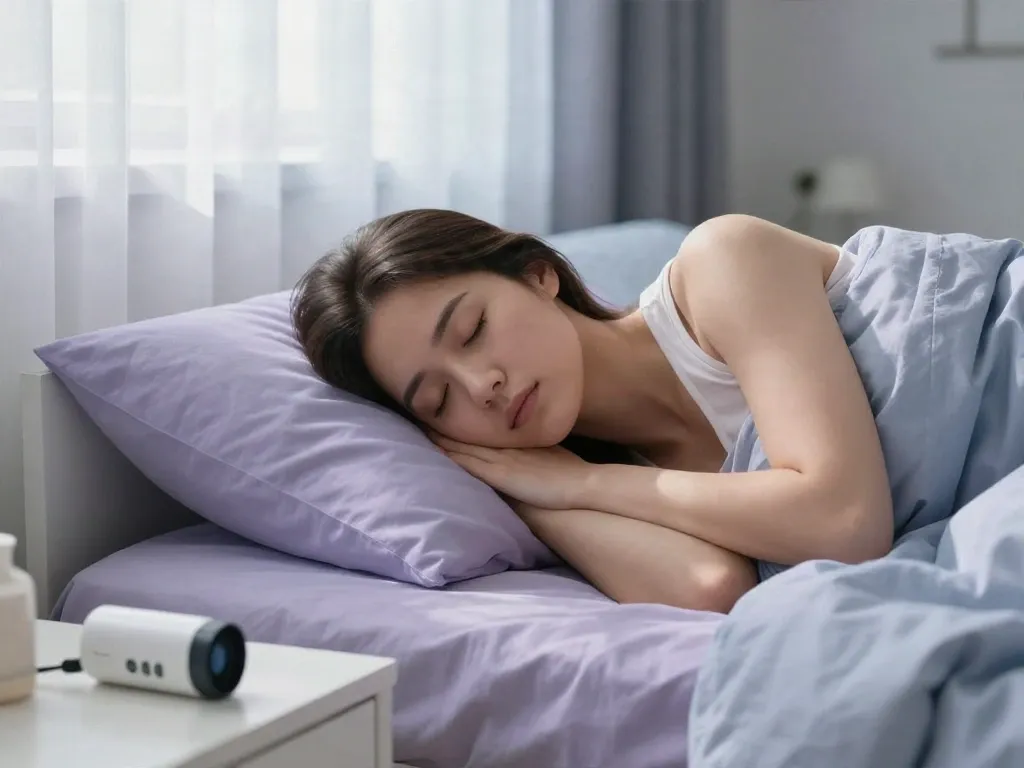
Understanding Sleep Apnea and Its Symptoms in Women
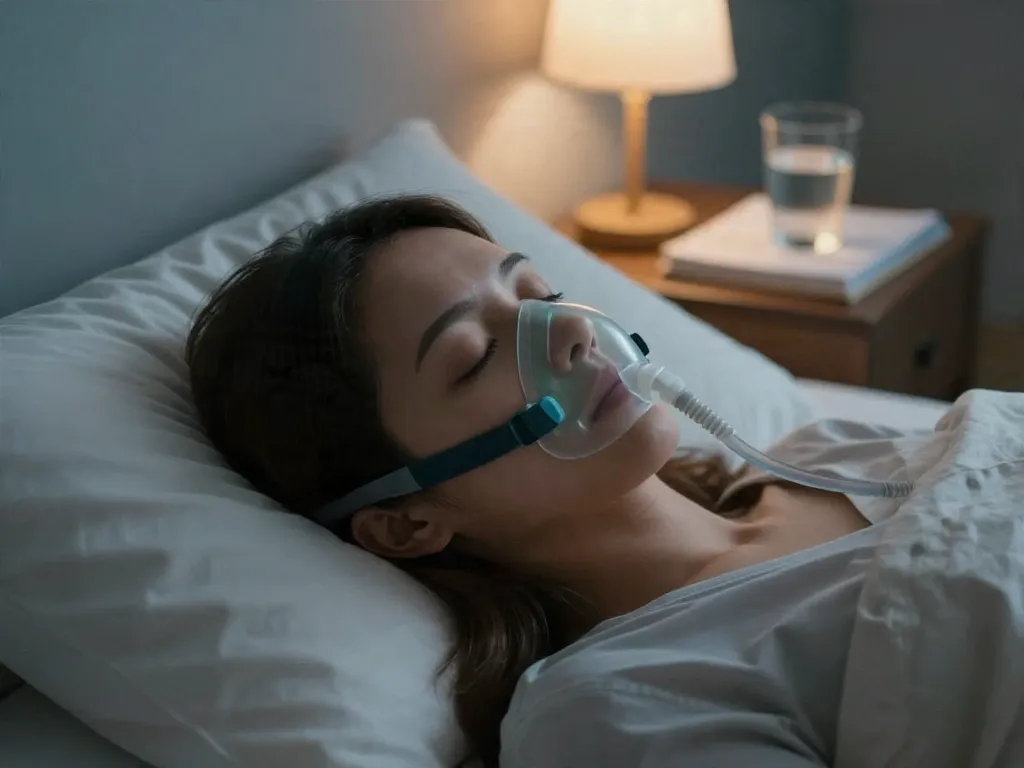
Sleep apnea is a serious sleep disorder characterized by repeated interruptions in breathing during sleep. While it is widely recognized among the general population, its prevalence and symptoms in women are often overlooked. This oversight can lead to delayed diagnoses and treatment, resulting in adverse health outcomes. Understanding how sleep apnea manifests specifically in women is crucial for improving recognition and management of this condition.
Unique Symptoms of Sleep Apnea in Women
Unlike the classic symptoms of sleep apnea, which often include loud snoring and excessive daytime sleepiness, women may present with different signs. Women may experience:
- Fatigue and Insomnia: Many women report chronic fatigue and difficulty sleeping, which may not be immediately attributed to sleep apnea.
- Morning Headaches: Frequent headaches upon waking can be a sign of sleep disturbances, including sleep apnea.
- Depression and Anxiety: Mood changes, including increased anxiety and depressive symptoms, are common in women with undiagnosed sleep apnea.
- Weight Gain: Unexplained weight gain or difficulty losing weight can occur as a consequence of disrupted sleep patterns.
These symptoms are often mistaken for other conditions, leading to misdiagnosis or a lack of diagnosis altogether.
Differences in Presentation Compared to Men
Men typically present with more overt symptoms of sleep apnea, such as loud snoring and observable apneas. In contrast, women may have a higher likelihood of experiencing subtle symptoms or atypical presentations. For instance:
- Women are less likely to snore loudly, leading to their symptoms being overlooked by partners.
- They may exhibit a tendency to experience insomnia rather than the classic sleepiness associated with apnea.
A study published in the journal *Chest* found that women are less likely than men to report typical symptoms of obstructive sleep apnea, which may account for the significant gender disparities in diagnosis rates.
Impact of Hormonal Fluctuations on Diagnosis
Hormonal changes throughout a woman’s life—such as those occurring during menstruation, pregnancy, and menopause—can influence sleep patterns and increase the risk of sleep apnea. For example:
- Menstruation: Hormonal fluctuations can impact sleep quality, potentially masking the symptoms of sleep apnea.
- Pregnancy: Increased weight, fluid retention, and hormonal changes can exacerbate sleep apnea symptoms, yet many healthcare providers may attribute sleep disturbances to normal pregnancy-related issues.
- Menopause: The decrease in estrogen levels during menopause can lead to increased risk for sleep apnea due to changes in body fat distribution and muscle tone in the throat.
These hormonal influences complicate the diagnosis of sleep apnea in women, as providers may fail to consider it when evaluating symptoms related to these life stages.
Barriers to Diagnosis in Women's Healthcare
Despite the clear need for awareness and understanding of sleep apnea in women, significant barriers exist that hinder accurate diagnosis and treatment.
Lack of Awareness Among Healthcare Providers
Many healthcare providers lack sufficient training and awareness regarding sleep apnea, particularly as it relates to women. Research indicates that:
- Only a small percentage of primary care physicians routinely screen for sleep apnea, and even fewer consider gender-specific symptoms.
- Providers may mistakenly assume that sleep apnea is predominantly a male condition, leading to under-diagnosis in female patients.
This lack of awareness can have dire consequences, as untreated sleep apnea can contribute to long-term health issues such as cardiovascular disease and diabetes.
Underrepresentation in Sleep Studies
Historically, clinical research on sleep disorders has predominantly focused on male subjects. For example:
- A meta-analysis found that only about 30% of participants in sleep apnea studies were women, leading to a lack of understanding of how the condition specifically affects females.
- This underrepresentation means that treatment protocols and diagnostic criteria may not adequately address women's unique symptoms and health concerns.
The lack of gender-specific research perpetuates the cycle of under-diagnosis and mismanagement of sleep apnea in women.
Societal Attitudes Towards Women's Health Complaints
Cultural and societal attitudes often contribute to the dismissal of women's health complaints. Women frequently face skepticism regarding their symptoms, particularly when presenting with conditions that are not well understood. This can lead to:
- Minimization of Symptoms: Women's complaints may be trivialized or attributed to stress or psychological factors, rather than being properly investigated.
- Delay in Seeking Help: Societal pressures may cause women to prioritize family and work responsibilities over their own health, leading to delayed medical consultations.
Such attitudes contribute to the systemic neglect of women's health issues, including sleep apnea.
The Role of Comorbid Conditions in Women
Women often present with multiple comorbid conditions that can complicate the diagnosis of sleep apnea. Understanding these associations is vital for healthcare providers.
Association with Anxiety and Depression
Anxiety and depression are prevalent among women with sleep apnea. The relationship between these conditions is complex:
- Sleep apnea can exacerbate symptoms of depression and anxiety, leading to a vicious cycle where sleep quality deteriorates further.
- A study published in the *American Journal of Psychiatry* revealed that women with untreated sleep apnea were more likely to experience severe depressive symptoms.
Recognizing this association is essential for developing comprehensive treatment plans that address both sleep health and mental well-being.
Impact of Menopause on Sleep Health
Menopause is a critical period that can significantly impact sleep quality and increase the risk of sleep apnea. Key factors include:
- Hormonal changes can lead to an increase in body fat, particularly around the neck, which may contribute to airway obstruction during sleep.
- Women experiencing menopause often report increased insomnia, hot flashes, and night sweats, which can mask the underlying symptoms of sleep apnea.
Healthcare providers must be particularly vigilant in assessing sleep apnea in menopausal women to ensure timely diagnosis and treatment.
Misdiagnosis and Overlapping Symptoms
The overlapping symptoms of sleep apnea and other common conditions in women can lead to misdiagnosis. For example:
- Fatigue may be attributed to chronic fatigue syndrome or fibromyalgia, while sleep apnea remains unrecognized.
- Insomnia may be treated with sleep aids without exploring underlying causes like sleep apnea.
This diagnostic overshadowing highlights the need for comprehensive assessments that consider sleep disorders as a possible underlying cause of other health complaints.
Stigma and Misconceptions Regarding Sleep Disorders
Stigmas and misconceptions surrounding sleep disorders create additional hurdles for women seeking diagnosis and treatment for sleep apnea.
Stereotypes Around Women’s Health Issues
Cultural stereotypes often frame women's health issues as less serious or as a product of emotional instability. This can lead to:
- Dismissal of legitimate health concerns, as symptoms are often attributed to psychological factors rather than organic causes.
- A lack of urgency in addressing sleep-related complaints, which can exacerbate existing conditions.
These stereotypes can create an environment where women feel discouraged from seeking help for their sleep issues.
Perception of Sleep Apnea as a 'Male' Condition
The widespread perception of sleep apnea as a predominantly male condition contributes to under-diagnosis in women. This perception can manifest in several ways:
- Women may internalize the belief that they are less likely to have sleep apnea, leading them to underreport symptoms.
- Healthcare providers may unconsciously apply gender biases, overlooking sleep apnea in women who do not fit the typical profile.
This gender bias in perception can severely impact the quality of care women receive.
Impact of Lifestyle Factors on Recognition of Symptoms
Lifestyle factors, such as stress, work-life balance, and caregiving responsibilities, can complicate the recognition of sleep apnea symptoms in women. For instance:
- Women often juggle multiple roles, leading to fatigue being attributed to lifestyle rather than a potential sleep disorder.
- High levels of stress can exacerbate sleep disturbances, further clouding the diagnosis.
As a result, many women may fail to connect their symptoms to sleep apnea, delaying their journey toward diagnosis and effective treatment.
Strategies for Improving Diagnosis and Awareness
To address the under-diagnosis of sleep apnea in women, several strategies can be implemented.
Advocating for Gender-Specific Research
There is a pressing need for increased research focused on women and sleep apnea. This includes:
- Funding studies that specifically examine the prevalence and presentation of sleep apnea in women.
- Incorporating gender-specific variables into research designs to better understand how sleep apnea affects women differently from men.
Such research can inform diagnostic criteria and treatment protocols tailored to women’s unique needs.
Education and Training for Healthcare Professionals
Enhancing the training of healthcare providers regarding sleep disorders in women is essential. This can involve:
- Incorporating sleep medicine into medical education curricula to ensure that future providers recognize the signs and symptoms of sleep apnea in women.
- Offering continuing education opportunities focused on gender differences in sleep health.
Improving provider awareness can lead to more timely and accurate diagnoses.
Encouraging Self-Advocacy Among Women
Empowering women to advocate for their health can lead to improved recognition of sleep apnea. Strategies include:
- Encouraging women to educate themselves about sleep apnea and its symptoms.
- Promoting open dialogues about sleep health with healthcare providers to ensure comprehensive evaluations.
By fostering a culture of self-advocacy, women can take proactive steps toward their health and well-being.
Conclusion
The under-diagnosis of sleep apnea in women is a multifaceted issue influenced by unique symptom presentation, societal attitudes, and healthcare barriers. By understanding these challenges and implementing targeted strategies, we can improve awareness, diagnosis, and treatment of sleep apnea, ultimately enhancing the health and quality of life for women everywhere.



Comments
No comments yet.
Leave a comment