
Understanding Ferret Anatomy and Intestinal Health
The Unique Digestive System of Ferrets
Ferrets possess a distinctive digestive system that is highly adapted to their carnivorous diet. Unlike other small animals, ferrets have a short gastrointestinal tract, which allows for rapid digestion and absorption of nutrients. Their intestines are relatively simple, comprising a small stomach, a short small intestine, and a large cecum followed by the colon. This anatomical design means that food passes through their system quickly, but it also makes them particularly susceptible to intestinal blockages.
Ferrets have a high metabolism and require a diet high in protein and fat. The specific needs of ferrets necessitate careful attention to their dietary intake, as a poor diet can lead to gastrointestinal distress and blockages. A balanced diet typically includes high-quality ferret kibble and occasional raw protein sources, such as chicken or turkey.
Common Causes of Intestinal Blockages in Ferrets
Intestinal blockages in ferrets can arise from various sources, including:
- Foreign Objects: Ferrets are notorious for chewing on and swallowing inappropriate items, such as toys, fabric, or string. These foreign bodies can cause obstructions.
- Hairballs: Like many small mammals, ferrets can develop hairballs from grooming. Excessive hair ingestion can lead to blockages, especially if not managed.
- Impacted Feces: Inadequate hydration or low fiber diets can result in hard, impacted feces, which can obstruct the intestines.
- Intestinal Tumors: Though less common, tumors can grow within the intestinal tract, leading to blockages.
Signs and Symptoms of Intestinal Issues
Recognizing the signs of intestinal blockages is crucial for timely intervention. Common symptoms include:
- Vomiting: Repeated vomiting, especially after eating, is a significant indicator.
- Loss of Appetite: A sudden disinterest in food can signal discomfort or pain.
- Abdominal Distension: A visibly swollen abdomen may indicate a blockage.
- Diarrhea or Constipation: Changes in bowel movements can also signify intestinal issues.
- Lethargy: A decrease in energy levels or unusual behavior can indicate distress.
The Importance of Timely Diagnosis
How Delayed Treatment Affects Ferret Health
Prompt diagnosis is vital when dealing with intestinal blockages in ferrets. Delaying treatment can lead to serious complications, including:
- Intestinal Necrosis: Prolonged blockage can cut off blood supply to parts of the intestine, leading to tissue death.
- Peritonitis: A ruptured intestine can cause intestinal contents to spill into the abdominal cavity, resulting in a life-threatening infection.
- Dehydration: Ongoing vomiting and inability to eat can lead to severe dehydration, complicating treatment further.
Diagnostic Tools Used in Urgent Care Settings
Upon arrival at an urgent care facility, veterinarians will employ various diagnostic tools to assess the ferret's condition. These may include:
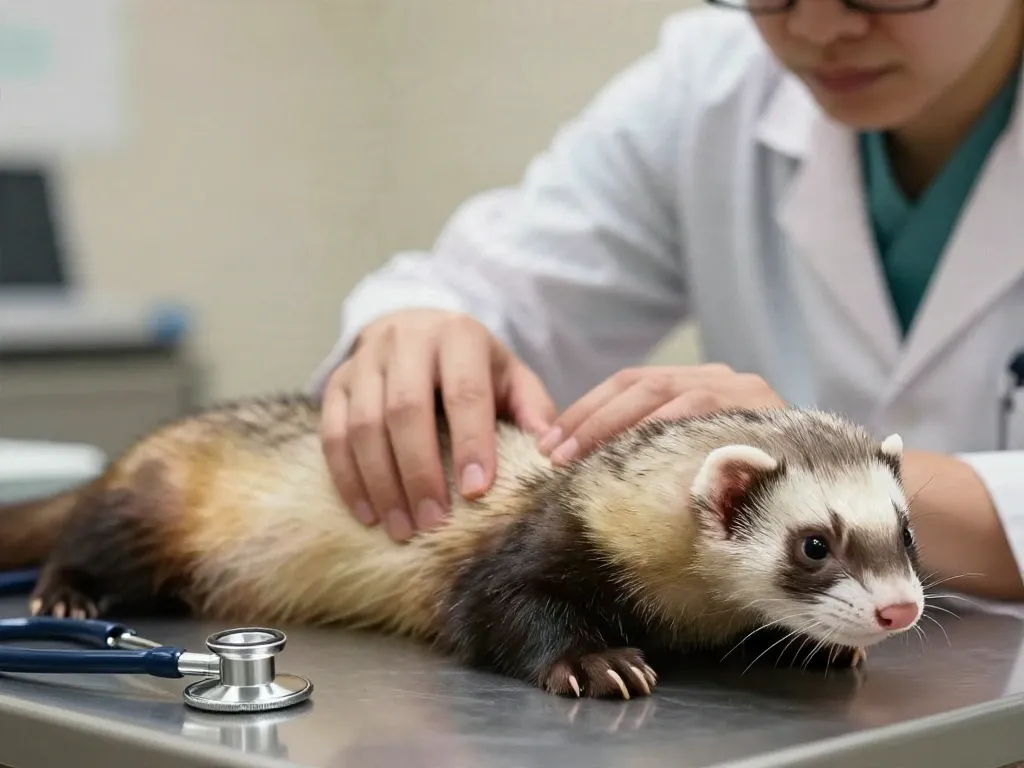
- Physical Examination: A thorough examination can reveal signs of pain, swelling, or abnormal bowel sounds.
- X-rays: Radiographs can help visualize blockages and determine their location.
- Ultrasound: This imaging technique can provide further insight into the condition of the intestines and surrounding organs.
- Blood Tests: Blood work can assess overall health and identify issues such as infection or dehydration.
Recognizing Emergency Situations
Ferret owners must recognize when their pet's condition requires immediate attention. Emergency signs include:
- Severe, persistent vomiting
- Extreme lethargy or unresponsiveness
- Signs of pain (crying, hiding, or aggressive behavior when touched)
- Rapid breathing or unusual heart rate
Immediate Care Steps for Ferret Owners
What to Do When You Suspect a Blockage
If you suspect that your ferret has an intestinal blockage, taking immediate action is crucial:
- Stay Calm: Your ferret can sense your anxiety, which may add to their stress.
- Assess Symptoms: Take note of any symptoms your ferret is exhibiting—this information will be vital for the veterinarian.
- Do Not Induce Vomiting: Unlike dogs, inducing vomiting in ferrets can worsen the situation.
- Seek Urgent Care: Contact your veterinarian or an emergency veterinary clinic immediately.
Transporting Your Ferret Safely to Urgent Care
When transporting your ferret to urgent care, ensure their safety and comfort:
- Use a secure, well-ventilated carrier to prevent escape and reduce stress.
- Place familiar bedding inside the carrier to provide comfort.
- Keep the carrier in a stable position in the vehicle to avoid unnecessary jostling.
Preparing for Your Vet Visit: Essential Information
Being prepared for your vet visit can expedite treatment:
- Document Symptoms: Write down any symptoms, their duration, and any dietary changes.
- Bring Medical History: Provide any previous medical records, including past illnesses or treatments.
- List Medications: Inform the vet of any medications or supplements your ferret is currently taking.
Treatment Options Available in Urgent Care
Non-Surgical Interventions for Minor Blockages
If the blockage is diagnosed as minor, veterinarians may opt for non-surgical interventions:
- Fluid Therapy: Administering fluids can help rehydrate the ferret and soften impacted feces.
- Medication: Laxatives or anti-nausea medications can assist in easing the blockage.
- Dietary Changes: Temporary dietary adjustments can promote movement through the intestines.
Surgical Procedures: When They Are Necessary
In cases where non-surgical interventions fail or if the blockage is severe, surgical procedures may be required:
- Exploratory Surgery: This procedure allows veterinarians to locate and remove the obstruction.
- Intestinal Resection: If part of the intestine is dead or severely damaged, surgical removal may be necessary.
Post-Treatment Care and Monitoring
After treatment, close monitoring is essential:
- Follow-Up Appointments: Schedule follow-ups to ensure recovery is progressing.
- Diet Monitoring: Gradually reintroduce food, starting with a bland diet to avoid further distress.
- Watch for Recurrence: Be vigilant for any signs of recurrence, which may indicate ongoing issues.
Preventative Measures for Ferret Owners
Dietary Considerations to Prevent Blockages
Preventing intestinal blockages begins with a proper diet:
- Provide a high-quality ferret diet rich in protein and fat.
- Incorporate raw meats, such as chicken and turkey, to promote healthy digestion.
- Avoid feeding ferrets foods that are high in carbohydrates or sugars, as these can lead to digestive problems.
Regular Health Check-Ups and Their Importance
Regular veterinary check-ups are fundamental in maintaining your ferret's health. Annual wellness exams can help catch potential issues before they develop into serious conditions.
Recognizing Early Signs of Digestive Distress
Being proactive and aware of your ferret’s behavior can make a significant difference:
- Monitor their eating habits closely; any sudden changes should be noted.
- Keep an eye on their bowel movements; consistency and frequency are key indicators of digestive health.
- Be alert to changes in energy levels or behavior, as these can indicate underlying issues.
Comments
No comments yet.
Leave a comment