
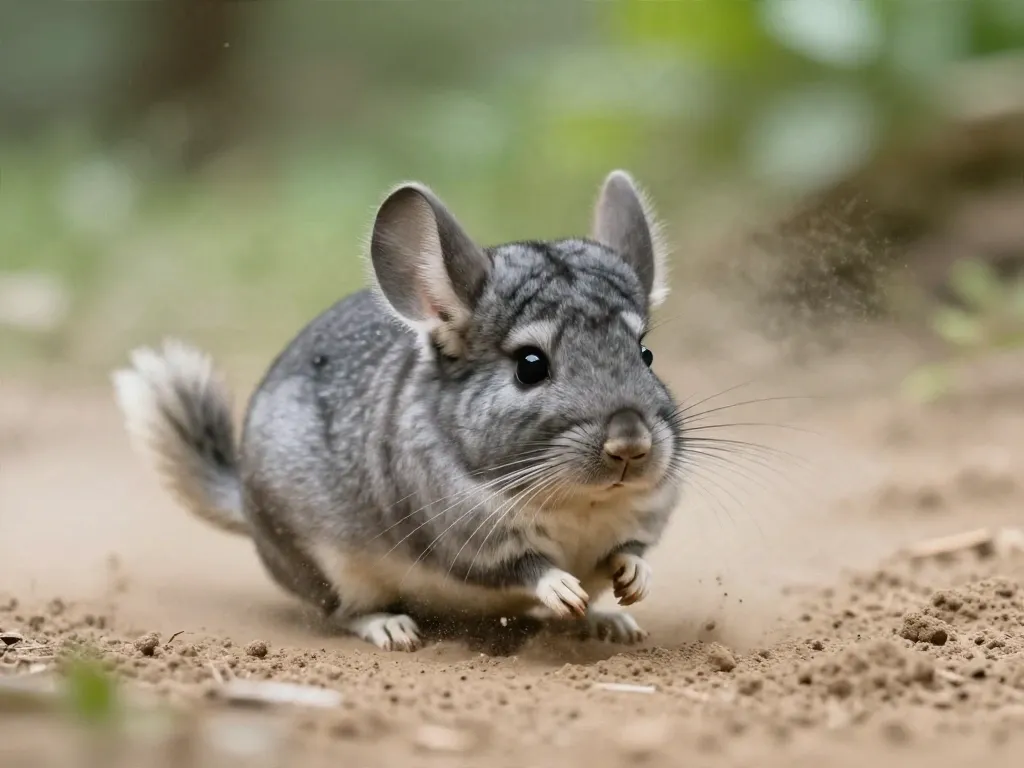
The Importance of Dust Baths for Chinchilla Coat Health
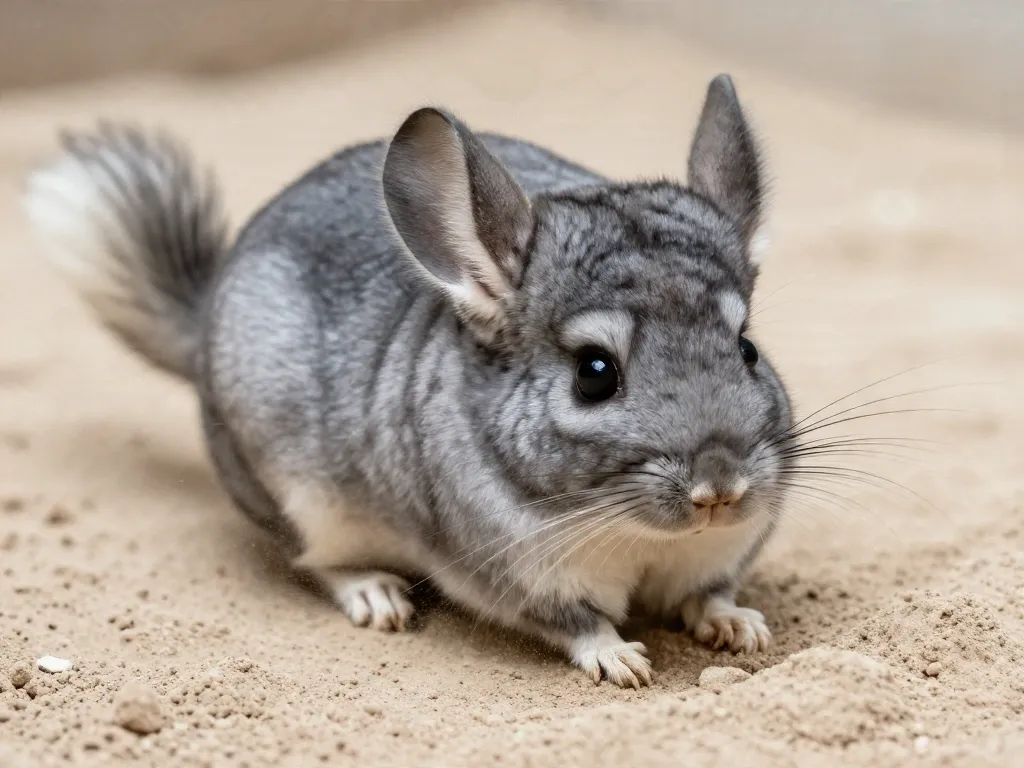
Understanding Chinchilla Fur Structure
Chinchillas are renowned for their incredibly dense and luxurious fur, which is among the softest in the animal kingdom. Each chinchilla has approximately 50 to 80 hairs per follicle, a feature that provides insulation and protection against the cold in their native Andean mountain habitats. This fine fur structure, with its high density, is designed to repel moisture, making dust baths essential for keeping their coats clean and healthy.
The Role of Dust in Coat Maintenance
Chinchillas do not bathe in water as many other animals do; instead, they use dust to clean their fur. The dust helps absorb oils and moisture that naturally accumulate in their coat. Specifically, volcanic ash or specially formulated chinchilla dust is ideal for this purpose. The fine particles penetrate the dense fur, removing debris and dead skin cells without the need for water. Regular dust baths keep the coat fluffy, enhance its texture, and prevent matting.
Consequences of Neglecting Dust Baths
Failing to provide adequate dust baths can lead to several detrimental effects on a chinchilla’s coat health. Without regular bathing, oils can build up in the fur, leading to greasy patches and a dull appearance. In severe cases, neglecting dust baths can cause skin irritations or infections due to trapped moisture and debris. Moreover, a poorly maintained coat can affect a chinchilla’s overall comfort and well-being, making it crucial to establish a consistent bathing routine.
Recommended Frequency of Dust Baths for Optimal Coat Condition
Daily Routine vs. Weekly Baths
The general recommendation for chinchilla dust baths is to provide access to dust at least once a day. Many owners find that a daily bath not only maintains coat health but also serves as an enjoyable activity for their pets. In some cases, especially for owners with multiple chinchillas, it might be practical to offer dust baths every other day or three times a week. However, the more frequent the baths, the better the coat condition tends to be.
Factors Influencing Bath Frequency
Several factors can influence how often a chinchilla should have dust baths:
- Age: Younger chinchillas typically have healthier, more resilient coats and may require more frequent baths.
- Health Status: Chinchillas with skin conditions or health issues may benefit from more regular bathing to promote healing.
- Environmental Conditions: In humid climates, dust baths may be needed more frequently to combat moisture absorption in the fur.
- Activity Level: More active chinchillas may accumulate more dirt and oil, necessitating more frequent baths.
Signs That Indicate Bath Needs
Chinchilla owners should be observant of their pets' coat conditions. Signs that a dust bath is needed include:
- Visible dirt or debris in the fur.
- A dull or greasy appearance to the coat.
- Excessive scratching or signs of skin irritation.
- Behavioral changes, such as reduced grooming or lethargy.
Best Practices for Administering Dust Baths
Choosing the Right Dust for Chinchillas
Not all dust is created equal when it comes to chinchilla baths. The best dust for chinchillas is typically made from volcanic ash, as it is highly absorbent and fine enough to penetrate their dense fur. Popular brands like Chinchilla Dust or Oxbow Chinchilla Bathing Dust are specifically formulated for this purpose. Avoid using sand or any dust that contains synthetic materials, as these can be harmful to the chinchilla's skin and coat.
Setting Up a Safe Bathing Area
Creating a safe and comfortable bathing area is essential for a positive dust bathing experience. Ensure that the bathing space is free from hazards, such as sharp objects or other pets that could disrupt the chinchilla during its bath. A simple, shallow container or dust bath house filled with 1-2 inches of dust is ideal. It should be large enough for the chinchilla to roll around comfortably but not so deep that it becomes difficult for the chinchilla to exit.
Monitoring Bathing Behavior
Observing how your chinchilla interacts with the dust bath is crucial. Most chinchillas will instinctively roll and dig in the dust, which is how they clean themselves. Owners should limit bathing sessions to about 15-30 minutes, allowing the chinchilla to enjoy the bath without excessive exposure. After the bath, check for any signs of skin irritation or discomfort, which may require a change in dust type or frequency.
Common Mistakes in Dust Bathing and Their Impact
Overbathing and Its Effects on Coat Health
While dust baths are crucial, overbathing can lead to problems. Excessive exposure to dust can dry out the skin, leading to irritation and even skin infections. It is essential to strike a balance; daily baths are recommended, but monitoring your chinchilla's response is vital. If you notice any signs of dryness or irritation, consider reducing the frequency or duration of the baths.
Using Improper Bathing Supplies
Using inappropriate dust or bathing supplies can have negative consequences for a chinchilla's coat health. Avoid using commercial sands or dusts that are not specifically designed for chinchillas, as they may contain harmful additives or be too coarse. Stick to products made from natural volcanic ash or those specifically labeled for chinchillas to ensure safety and effectiveness.
Ignoring Environmental Factors
Environmental factors play a significant role in a chinchilla's coat health. High humidity can lead to moisture retention in the fur, which necessitates more frequent dust baths. Conversely, in dry climates, owners may find that their chinchillas require less frequent bathing. Adjusting the bathing schedule based on the temperature and humidity levels can help maintain optimal coat health.
Long-term Benefits of Proper Dust Bathing Habits
Enhancing Coat Brightness and Texture
Establishing a consistent dust bathing routine has numerous long-term benefits for chinchillas. Regular dust baths enhance the brightness and texture of their coats, making them appear healthier and more vibrant. A well-maintained coat not only looks good but also reflects the overall health of the chinchilla.
Reducing Skin Issues and Irritations
Proper dust bathing habits are essential for preventing skin issues and irritations. By regularly removing excess oils and dirt, you can significantly reduce the risk of skin infections, rashes, and other dermatological problems. Healthy skin contributes to a happy and active chinchilla, which is vital for its overall well-being.
Improving Overall Chinchilla Well-being
Ultimately, maintaining a regular dust bathing schedule enhances not just coat health but also the overall well-being of chinchillas. A clean, healthy coat allows for better thermoregulation, improved comfort, and a reduced risk of health issues. Happy and healthy chinchillas are more likely to exhibit playful and social behaviors, enriching the bond with their owners.
Comments
No comments yet.
Leave a comment