
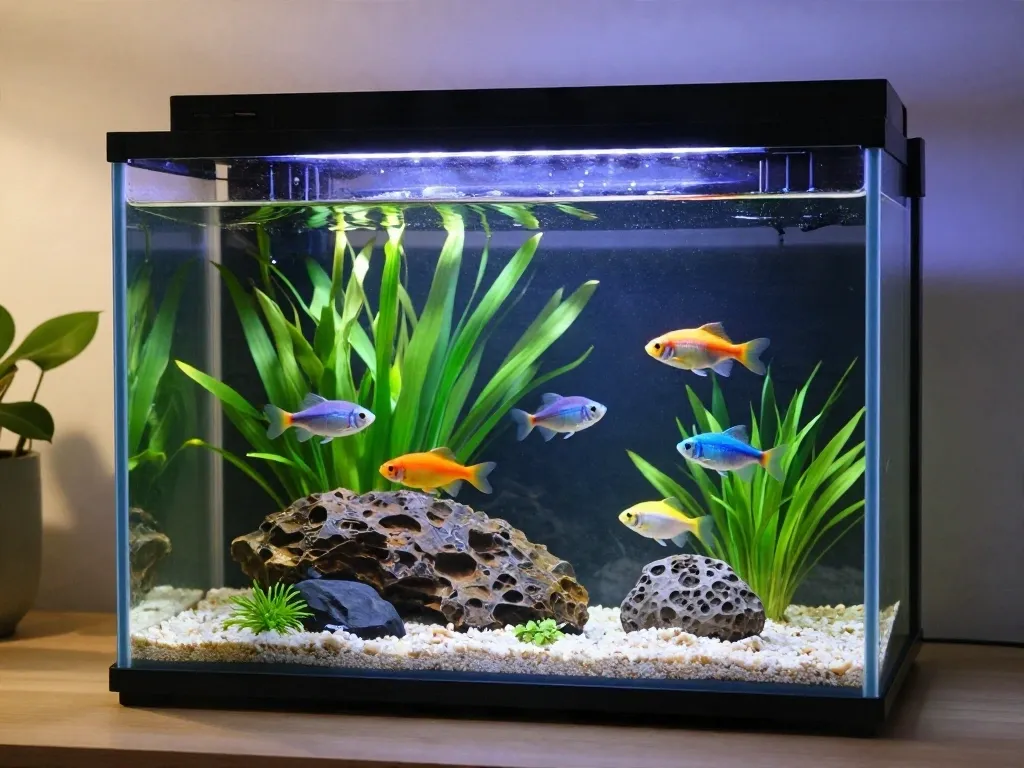
The Fundamental Misunderstanding of Biological Filtration
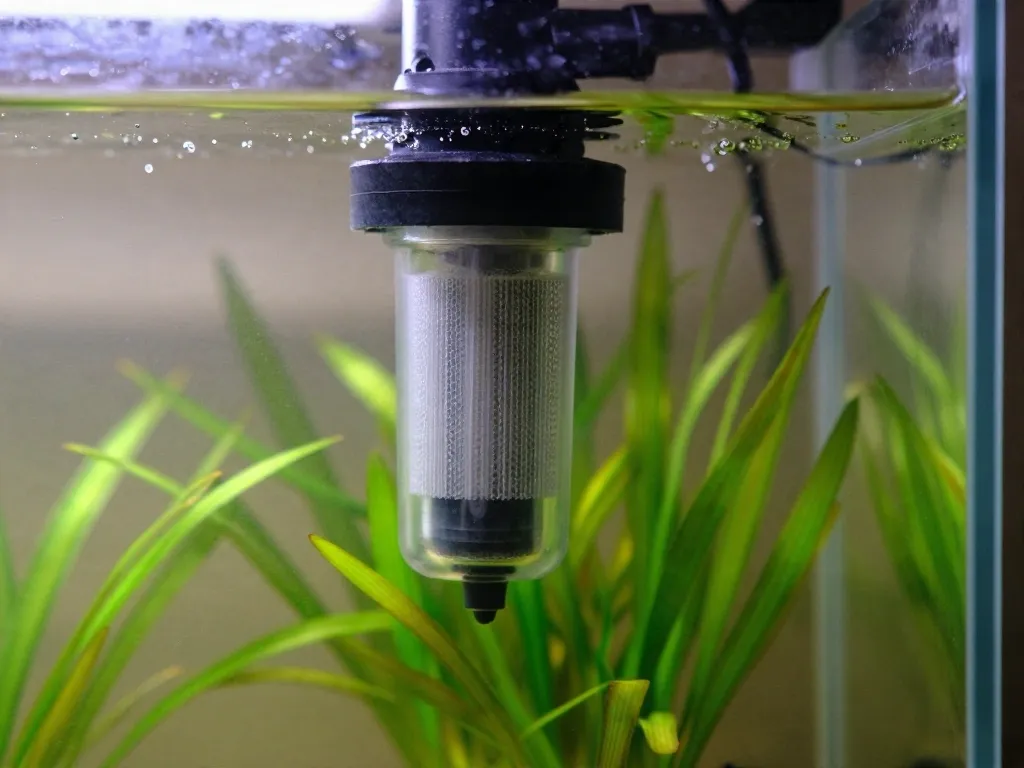
What is Biological Filtration?
Biological filtration is the process by which beneficial bacteria convert harmful substances in the aquarium, particularly ammonia and nitrite, into less harmful nitrates. This is a crucial aspect of maintaining a healthy aquatic environment. The process primarily relies on two types of bacteria: nitrosomonas, which convert ammonia into nitrite, and nitrobacter, which convert nitrite into nitrate. These bacteria thrive in the filter media, substrate, and decorations within the tank.
Common Misconceptions About Nitrogen Cycle
One of the prevalent misconceptions in many fish tank cycling guides is the oversimplification of the nitrogen cycle. Many guides suggest that simply adding ammonia sources or fish will initiate the cycling process effectively. However, the reality is that the cycle is a complex process influenced by several factors including the quantity of ammonia, temperature, pH levels, and the presence of adequate surface area for bacterial colonization. This misunderstanding can lead aquarists to rush through the cycling process, resulting in an incomplete cycle and potentially catastrophic consequences for fish health.
Importance of Beneficial Bacteria in Cycling
Without the establishment of beneficial bacteria, the cycling process cannot occur effectively. These bacteria take time to grow and establish a colony capable of processing the waste produced by fish. Many guides fail to emphasize the time needed for bacteria to multiply to sufficient levels. For example, a new aquarium setup may take anywhere from 4 to 6 weeks to complete cycling under optimal conditions. Some aquarists may mistakenly believe that the presence of ammonia alone is enough to kickstart cycling, neglecting to consider the necessary growth of these bacteria.
Overlooking Water Parameters and Their Impact
Essential Water Parameters for Cycling
The cycling process is not only about adding ammonia; it’s also about maintaining specific water parameters. Key parameters include:
- Ammonia: Should be kept between 2-4 ppm to effectively promote bacterial growth.
- Nitrite: Levels should ideally be monitored as they can spike during the cycling process.
- Nitrate: Should be kept below 20 ppm to prevent toxicity.
- pH: Ideally maintained between 6.5 and 7.5 for optimal bacteria activity.
- Temperature: Should be stable, ideally between 75°F and 80°F, to enhance bacterial growth.
How pH, Ammonia, and Nitrate Levels Affect the Process
pH levels can significantly influence the efficiency of the nitrogen cycle. If the pH is too low or too high, the bacteria responsible for processing ammonia and nitrite may not function optimally. Additionally, ammonia is more toxic at higher pH levels, which can inhibit fish health if added too early. Many cycling guides do not adequately address how critical it is to monitor and adjust these parameters throughout the cycling process.
The Role of Temperature in Fish Tank Cycling
Temperature is another crucial factor that many guides overlook. Beneficial bacteria thrive in warmer conditions. For example, at temperatures around 78°F, the bacteria can reproduce rapidly, enhancing the cycling process. However, if the temperature drops below 70°F, the growth rate of these bacteria can significantly slow down, prolonging the cycling process unnecessarily. Guides that do not stress the importance of maintaining a stable temperature can lead to frustration and confusion among new aquarists.
Insufficient Guidance on Fish Stocking During Cycling
The Dangers of Adding Fish Too Early
One of the most critical mistakes outlined in many cycling guides is the encouragement of “fish-in cycling.” This method, where fish are added to an uncycled tank to promote ammonia production, can be detrimental. Fish are often stressed by the toxic levels of ammonia and nitrite during the initial stages of cycling, which can lead to fish loss. A more responsible approach is to avoid adding fish until the cycle is well established.
Recommended Stocking Levels for Safe Cycling
If one must employ a fish-in cycling method, it’s vital to keep the stocking levels low. For instance, a common recommendation is to add only one inch of fish per gallon of water, ensuring that the bioload is manageable for the developing bacteria. New aquarists are often tempted to add more fish, believing it will speed up the process, but this often leads to catastrophic outcomes.
Alternative Methods to Fish-in Cycling
There are multiple alternatives to fish-in cycling that many guides fail to mention. Fishless cycling is a method where ammonia is added directly to the tank, allowing beneficial bacteria to grow without the stress of live fish. This method can be accomplished using pure ammonia (without additives) at a concentration of around 3-5 ppm. Another method involves using established filter media from an existing, healthy aquarium to seed the new tank with beneficial bacteria. These methods not only protect the fish but can also lead to a faster and more reliable cycling process.
Neglecting the Time Factor in Cycling Processes
Typical Duration of Fish Tank Cycling
Cycling an aquarium typically takes anywhere from 4 to 8 weeks. However, many guides fail to emphasize that this duration can vary greatly depending on several factors including the presence of beneficial bacteria, water parameters, and temperature. New aquarists may expect cycling to be a quick process and become discouraged when it takes longer than anticipated.
Factors That Influence Cycling Time
Several factors can influence the duration of the cycling process:
- Ammount of ammonia: Higher concentrations can speed up the process, but they also pose risks to fish health.
- Temperature: Warmer water generally promotes faster bacterial growth.
- Type of filtration: Quality filters with ample surface area can harbor more beneficial bacteria, accelerating the cycle.
- Water changes: Frequent water changes can disrupt the cycling process, prolonging the time it takes to establish a stable environment.
The Importance of Patience in Aquarium Setup
Patience is a virtue that many aquarists must embrace during the cycling process. Rushing through cycling can lead to unstable water conditions that are lethal to fish. Guides that emphasize the importance of patience and the natural timeline of the cycling process can greatly enhance the success of new aquarists. Understanding that good things come to those who wait can foster a healthier environment for both fish and aquarists alike.
Lack of Emphasis on Maintenance During and After Cycling
Routine Maintenance Practices for New Aquariums
Once the cycling process begins, ongoing maintenance practices are essential. Regular testing of water parameters should be conducted weekly. Tests for ammonia, nitrite, nitrate, and pH levels are crucial during this phase. Many guides fail to mention this routine maintenance, leading to potential issues going unnoticed. Performing partial water changes of 10-20% weekly can also help keep toxic levels in check.
Monitoring and Adjusting Parameters Post-Cycling
After the cycling process is complete, monitoring water parameters remains critical. Even after establishing a stable cycle, fluctuations can occur due to various factors such as overfeeding, adding new fish, or changes in temperature. Aquarists should maintain a vigilant eye on parameters, especially the nitrate levels, which can accumulate over time.
Common Mistakes in Post-Cycling Care
Many new aquarists make the mistake of assuming that once cycling is complete, the aquarium requires little attention. This misconception can lead to overstocking, inadequate feeding practices, and neglecting regular maintenance. It’s essential to continue routine checks and adjustments to keep the aquarium environment healthy. Guides that fail to address the importance of ongoing care can contribute to long-term issues within the aquarium.

Comments
No comments yet.
Leave a comment